Contents
It’s interesting how many businesses overlook the advantages of top metal warehouses for their storage solutions. By prioritizing durability and energy efficiency, you can greatly optimize your operational space. With features like modular layouts and high ceilings, there’s much to reflect on. What specific needs do you have that could be met by customizing a metal structure? Exploring the key attributes of these warehouses could reveal a more efficient approach to your storage challenges.
Key Takeaways
- Metal warehouses offer space optimization and modular designs tailored to meet specific storage needs efficiently.
- Durable materials ensure longevity, reducing long-term maintenance costs and enhancing overall operational efficiency.
- Energy-efficient features lower heating and cooling expenses, contributing to sustainable and cost-effective storage solutions.
- Customizable layouts and advanced racking systems maximize storage capabilities and accommodate varying product sizes.
- Incorporating eco-friendly materials and technologies minimizes carbon footprint and fosters a commitment to environmental stewardship.
Benefits of Prefabricated Metal Warehouses
When you consider storage solutions, prefabricated metal warehouses stand out due to their numerous advantages. One of the primary benefits is space optimization; these structures can be tailored to fit your specific needs, maximizing the usable area without unnecessary constraints.
Their design versatility allows for various layouts and configurations, accommodating everything from heavy machinery to delicate inventory. Unlike traditional buildings, prefabricated warehouses can be erected quickly, minimizing downtime and providing immediate utility.
Additionally, their durable material reduces maintenance costs over time, ensuring a long-lasting investment. Whether your focus is on efficiency or adaptability, these warehouses offer a cohesive solution that fosters a sense of belonging within your operational framework, making them an ideal choice for modern storage needs.
Key Features of High-Quality Metal Structures
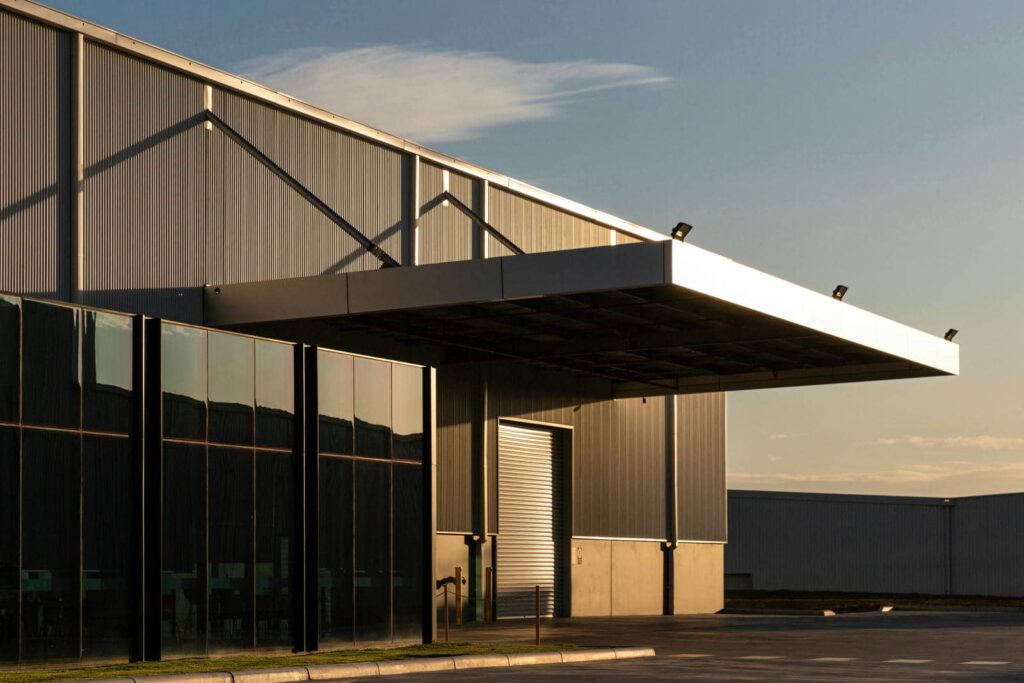
High-quality metal structures offer a range of key features that enhance their functionality and longevity. One critical aspect is their structural integrity, which ensures the building can withstand various environmental stresses and safeguards your investment.
Advanced engineering techniques and quality materials contribute to this durability, making them ideal for diverse applications. Additionally, design aesthetics play a significant role; these structures can be tailored to blend seamlessly with their surroundings while maintaining a professional appearance.
The combination of robust construction and visual appeal fosters a sense of belonging in any industrial or commercial setting. By prioritizing these features, you’ll achieve efficient storage solutions and create an environment that reflects your commitment to quality and professionalism.
Customization Options for Metal Warehouses
When considering customization options for metal warehouses, you’ll find that modular design flexibility allows for tailored layouts that maximize space efficiency.
Additionally, racking system adaptations can improve your storage capabilities, accommodating various product sizes and weights.
Climate control features further enhance functionality, ensuring your stored goods remain in peak condition regardless of external conditions.
Modular Design Flexibility
As you explore metal warehouses, you’ll find that modular design flexibility plays a crucial role in optimizing storage solutions. This adaptability allows you to tailor the warehouse layout to meet your specific needs, enhancing both functionality and efficiency.
By implementing modular components, you can easily reconfigure spaces for different inventory types or seasonal demands, ensuring that your storage remains relevant and effective. The ability to adjust shelving heights and aisle widths allows for superior spatial optimization, maximizing every inch of your warehouse.
This customizability improves workflow and fosters a sense of ownership and belonging within your operational environment. Embrace modular designs to create a dynamic storage solution that evolves with your business requirements.
Racking System Adaptations
While standard racking systems offer a foundation for storage, customizing these systems in metal warehouses can greatly enhance efficiency and space utilization.
By leveraging racking system innovations, you can create vertical storage solutions tailored to your specific needs. Consider the following customization options:
- Adjustable shelving for varying product sizes
- Heavy-duty racks designed for specific weight capacities
- Integrated safety features to protect inventory
- Specialized configurations for improved accessibility
These adaptations maximize storage space and streamline operations, fostering a more organized and productive environment.
Climate Control Features
Customizing the climate control features in metal warehouses is crucial for maintaining product integrity and maximizing storage conditions. Effective temperature regulation ensures that sensitive materials, such as electronics or pharmaceuticals, remain in their ideal state, preventing damage or degradation.
Furthermore, implementing advanced humidity control systems helps mitigate moisture-related issues, safeguarding your inventory from mold and corrosion. By integrating smart thermostats and dehumidifiers, you can monitor and adjust conditions in real-time, fostering a stable environment.
In addition, tailored climate solutions enhance energy efficiency, reducing operational costs while preserving the quality of your assets. When you invest in these features, you’re not just protecting your products; you’re creating a reliable, dependable storage solution that fosters confidence in your operations.
Factors to Consider When Choosing a Metal Warehouse
When selecting a metal warehouse, several critical factors can greatly influence your decision-making process.
You must consider elements that align with your operational needs and future growth. Key aspects to evaluate include:
Location accessibility: Verify your warehouse is situated near major transport routes for efficient logistics.
Zoning regulations: Familiarize yourself with local laws that may impact your storage capabilities and operations.
Space requirements: Analyze your current and projected storage needs to avoid future constraints.
Safety features: Assess the warehouse’s compliance with safety standards to protect both your assets and employees.
Cost-Effective Solutions for Storage Needs
To effectively meet your storage needs without breaking the bank, it’s essential to explore various cost-effective solutions tailored to your specific requirements.
Begin with thorough budget planning; identify your financial boundaries and prioritize essential features that promote storage optimization.
Consider modular shelving systems, which allow for flexible configurations and efficient use of vertical space. Investing in multi-purpose units can also maximize functionality while minimizing costs.
Additionally, utilizing pre-owned metal warehouses can provide significant savings without sacrificing quality.
Be sure to assess your long-term storage needs to avoid overspending on unnecessary features.
Environmental Benefits of Metal Warehouses
When considering the environmental benefits of metal warehouses, you’ll find that they considerably reduce carbon footprints through their efficient design and materials.
These structures often incorporate energy-efficient technologies that lower overall energy consumption.
Additionally, the use of sustainable materials in their construction supports eco-friendly practices, making metal warehouses a compelling choice for environmentally conscious operations.
Reduced Carbon Footprint
Although metal warehouses are primarily recognized for their durability and strength, they also play a significant role in reducing carbon footprints, thereby offering substantial environmental benefits.
By integrating green technologies, you can contribute to carbon neutrality and promote sustainable practices in your operations.
Consider these advantages:
Recyclability: Metal structures are often made from recycled materials, minimizing waste and resource consumption.
Longevity: Their durability reduces the need for frequent replacements, lowering overall material demand.
Low Maintenance: Metal warehouses require less upkeep, which means fewer resources and energy spent on repairs.
Adaptability: They can be designed to incorporate renewable energy sources, further reducing carbon emissions.
Opting for metal warehouses supports your business and aligns with a collective mission towards sustainability.
Energy Efficiency Advantages
While many businesses focus on the structural benefits of metal warehouses, their energy efficiency advantages greatly enhance operational sustainability.
By utilizing energy-efficient materials, you’re able to reduce heating and cooling costs considerably. The reflective properties of metal surfaces, for instance, help maintain ideal temperatures, minimizing reliance on HVAC systems.
Implementing energy conservation measures, like advanced insulation and energy-efficient lighting, further complements these benefits, leading to lower operational expenses. As you invest in these solutions, you’re not only improving your bottom line but also contributing to a more sustainable future.
Joining an eco-conscious community that prioritizes energy efficiency can foster a sense of belonging and shared purpose, driving collective efforts toward environmental stewardship.
Sustainable Material Usage
As you explore the environmental benefits of metal warehouses, you’ll find that their sustainable material usage plays an essential role in reducing ecological footprints.
By utilizing recycled materials, these structures minimize waste and promote resource conservation. Additionally, eco-friendly coatings enhance durability while further decreasing environmental impact.
Consider these key advantages of sustainable material usage in metal warehouses:
- Recycled Steel: Reduces energy consumption and greenhouse gas emissions.
- Durability: Metal structures last longer, decreasing the need for replacements.
- Low Maintenance: Eco-friendly coatings require less upkeep, saving resources.
- Recyclability: At the end of their life cycle, metals can be easily repurposed.
Embracing these practices fosters a sense of belonging in a community committed to sustainability.
Maintenance Tips for Metal Storage Buildings
To ensure your metal storage building remains in peak condition, regular maintenance is imperative. Implement a preventive maintenance schedule that includes routine inspections of the structure’s exterior and interior.
Check for signs of corrosion, rust, or any structural damage. Confirm that seals and joints are intact to prevent moisture infiltration, which can lead to deterioration. Maintain proper drainage around the building to avoid water pooling, which may compromise the foundation.
It’s also vital to inspect doors, windows, and ventilation systems for functionality. Clean gutters and downspouts regularly to facilitate proper water flow.
Durability and Longevity of Metal Structures
When evaluating the durability and longevity of metal structures, you’ll want to take into account material strength and weather resistance.
Stronger materials can withstand various environmental stresses, reducing maintenance costs over time.
Additionally, understanding how different metals respond to weather conditions ensures your storage solution remains efficient and reliable for years to come.
Material Strength Comparison
Metal structures stand out in the storage industry for their impressive durability and longevity, making them a preferred choice for warehouses.
When evaluating material strength, consider the following key attributes:
- Load-bearing capacity: Essential for supporting heavy loads without risk of failure.
Tensile Strength: Indicates resistance to deformation and breaking under tension.
Corrosion Resistance: Impacts long-term performance, especially in harsh environments.
Fatigue Resistance: Determines how well materials endure repeated stress over time.
Weather Resistance Factors
Weather resistance is essential for the durability and longevity of metal structures, especially in regions prone to extreme conditions.
To ensure your metal warehouse stands the test of time, consider incorporating weatherproof coatings that provide an additional layer of protection against corrosion and moisture. These coatings can greatly reduce the impact of temperature fluctuations, which often lead to structural stress and degradation.
By selecting high-quality materials and protective finishes, you’re investing in a solution that withstands harsh environments and fosters a sense of security in your operations.
Popular Designs for Metal Warehouses
As the demand for efficient storage solutions grows, various designs for metal warehouses have emerged to meet diverse operational needs.
You’ll find that these structures often incorporate innovative layouts and aesthetic designs, creating functional yet visually appealing spaces.
Here are some popular designs you might consider:
Modular Units: Flexible configurations that can adapt to changing inventory.
High-Ceiling Structures: Maximizes vertical storage and enhances accessibility.
Clear-Span Designs: Eliminates interior columns for unhindered movement and utility.
Eco-Friendly Models: Sustainable materials and energy-efficient systems promote a responsible approach.
The Future of Metal Warehousing Solutions
With advancements in technology and a growing emphasis on sustainability, the future of metal warehousing solutions is poised for significant transformation.
You’ll see automation trends driving efficiency, reducing labor costs, and minimizing human error. Implementing robotics for material handling and inventory management will streamline operations, allowing for quicker response times to customer demands.
Digital integration will play a vital role, connecting systems and providing real-time data analytics. This will enable you to make informed decisions and optimize storage layouts for better space utilization.
As green practices gain traction, warehouses will adopt energy-efficient designs and renewable materials, fostering a sense of community responsibility.
Embracing these changes will enhance performance and align with your values for a sustainable future.
Frequently Asked Questions
How Long Does It Take to Construct a Metal Warehouse?
Constructing a metal warehouse typically takes 3 to 6 months, depending on project management efficiency and design complexity. Proper planning and resource allocation can greatly streamline the construction timeline, ensuring timely project completion and satisfaction.
Can Metal Warehouses Be Relocated Once Built?
Yes, metal warehouses can be relocated, but relocation feasibility often faces construction challenges. You’ll need to assess structural integrity, disassembly processes, and site preparation to ensure a smooth changeover while maintaining functionality and safety.
What Are the Best Insulation Options for Metal Buildings?
For your metal building, consider fiberglass batts, spray foam, or rigid foam boards as insulation materials. They enhance energy efficiency, reducing heating and cooling costs while maintaining comfort. Choose based on your specific climate and needs.
Are There Financing Options Available for Purchasing Metal Warehouses?
When it comes to financing options, you’ve got choices. Many lenders offer purchase agreements tailored for metal warehouses, allowing you to secure funding while ensuring your investment aligns with your long-term storage needs and budget.
What Permits Are Required for Building a Metal Warehouse?
You’ll need to navigate local zoning regulations and adhere to building codes when constructing a metal warehouse. Research these requirements thoroughly to ensure compliance, avoid costly delays, and ensure your project runs smoothly.
Final Thoughts
In choosing a metal warehouse, you’re balancing immediate storage needs with long-term sustainability. While traditional structures may seem reliable, the advanced durability and energy efficiency of metal designs offer a compelling alternative. By investing in customizable solutions that enhance both functionality and profitability, you’re not just securing assets; you’re embracing a future where eco-friendly practices coexist with operational efficiency. Ultimately, the right metal warehouse can transform your storage approach, marrying practicality with innovation in an ever-evolving industry.
Recent Posts
How to Meet Commercial Metal Building Standards
To meet commercial metal building standards, you need to navigate a series of specific requirements
Why Choose Custom Specifications for Metal Warehouses?
Many businesses overlook the significant impact that custom specifications can have on metal warehouses. By
3 Best Custom Specs for Industrial Metal Warehouses
When considering the design of industrial metal warehouses, you need to prioritize key specifications that