Contents
Like the sturdy oaks that withstand the fiercest storms, your agricultural metal structures deserve the same resilience. You might think it’s all about the initial investment, but the long-term performance hinges on several key factors. By focusing on quality materials and design, you can greatly extend their lifespan. However, there are specific strategies you might not have considered that could make all the difference. Explore these critical tips to ensure your structures stand the test of time and environmental challenges.
Key Takeaways
- Choose high-strength, corrosion-resistant materials like galvanized steel to enhance durability against harsh agricultural conditions.
- Prioritize proper design by evaluating load requirements and environmental stresses for structural integrity.
- Implement regular maintenance schedules to monitor for wear, rust, and structural damage effectively.
- Incorporate weather-resistant features and protective coatings to shield structures from moisture and corrosive elements.
- Utilize customization options for tailored solutions that improve functionality and align with operational needs.
Choose Quality Materials
When constructing durable agricultural metal structures, selecting quality materials is essential. You need to prioritize material durability to ensure that your investment withstands harsh weather conditions and the rigors of agricultural use.
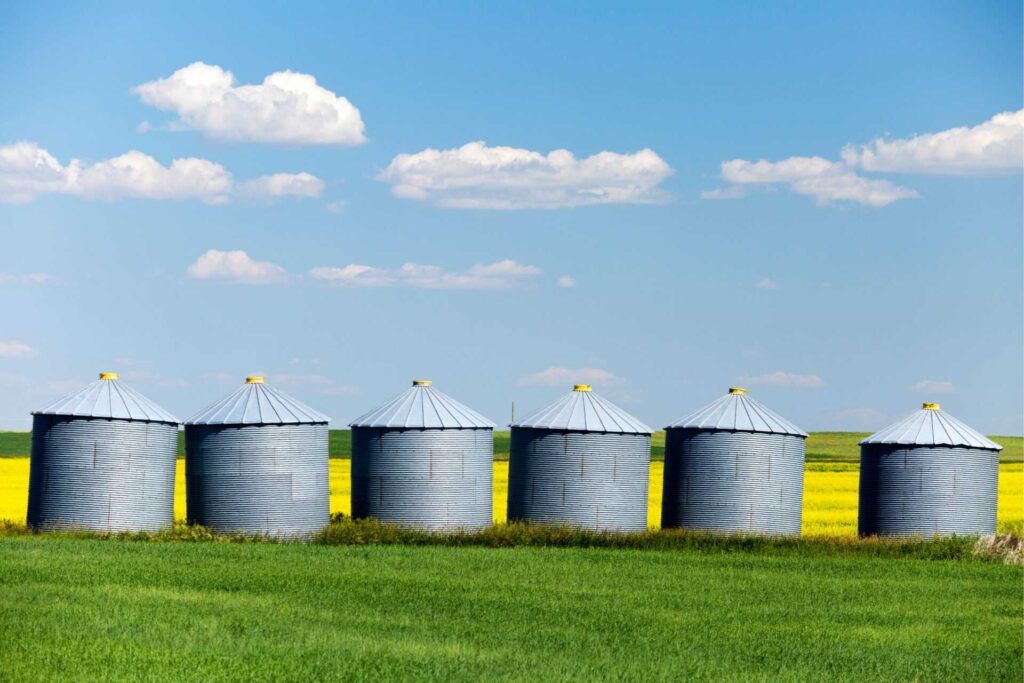
Start by choosing the right steel grades. High-strength steel, for instance, offers excellent tensile strength and can resist deformation, making it ideal for structures like barns and silos.
Different steel grades have varying properties, so it’s vital to understand what suits your specific needs. For example, structural steel grades such as ASTM A992 are commonly used in construction due to their balance of strength and ductility. This balance is important because it allows the structure to flex under stress without failing.
Additionally, consider galvanized steel, which has a protective zinc coating that enhances corrosion resistance, extending the lifespan of your structures.
Don’t overlook the importance of sourcing your materials from reputable suppliers. Trustworthy suppliers will provide detailed specifications and certifications, ensuring that the materials meet industry standards. This step ensures quality and fosters a sense of community, as you align with like-minded individuals who value reliable craftsmanship.
Ultimately, investing in quality materials and understanding steel grades can lead to significant long-term benefits. You’ll create structures that support your agricultural endeavors and contribute to a sustainable and resilient farming operation.
Prioritize Proper Design
Proper design is vital to the longevity and functionality of agricultural metal structures. When you prioritize proper design, you ensure that your structures adhere to key design principles that enhance their performance and durability.
Start by evaluating the specific needs of your agricultural operation. Consider factors like load requirements, environmental conditions, and future expansions.
Incorporating solid design principles means focusing on structural integrity. Confirm that your designs can withstand various stresses, including wind, snow, and seismic activity. Using advanced modeling techniques during the design phase allows you to identify potential weaknesses and address them before construction begins.
Don’t overlook the importance of material selection in your design. While quality materials are essential, proper design integrates them effectively to maximize their strength and longevity. Pay close attention to connections and joints, as these areas often bear the brunt of structural stress.
Furthermore, consider the layout and spacing of your metal structures. Efficient design minimizes material waste while maximizing utility. This approach supports sustainability and enhances the overall aesthetic appeal of your agricultural facility.
Lastly, collaborate with experienced professionals who understand the unique demands of agricultural operations. Their expertise can help you navigate complex design considerations and ensure that your structures meet all safety and regulatory standards.
Implement Effective Maintenance
Implementing effective maintenance is essential for ensuring the longevity and reliability of your agricultural metal structures. By prioritizing preventive care, you can avoid costly repairs and extend the lifespan of your investments.
Start by establishing a routine inspection schedule. Regularly check for any signs of wear, rust, or structural damage. These inspections should be thorough, covering all critical areas such as joints, welds, and fasteners.
During your inspections, pay close attention to the environment around your structures. Accumulated debris, standing water, or vegetation growth can lead to deterioration over time. If you notice any issues, address them immediately to prevent further damage.
Incorporating a preventive care plan means fixing problems as they arise and actively working to prevent them. This might involve applying protective coatings, resealing joints, or reinforcing weak areas.
Make sure you’re using high-quality materials designed for agricultural environments to enhance durability.
Don’t forget to document your inspections and maintenance activities. Keeping a detailed log helps track the condition of your structures over time and informs you when it’s time for larger maintenance projects.
Consider Weather Resistance
After establishing a robust maintenance routine, it’s important to contemplate how weather conditions impact your agricultural metal structures.
Extreme weather can lead to significant wear and tear, making it crucial to prioritize weather resistance in your designs and materials. Understanding the effects of weather impact on metal structures can help you make informed choices to enhance durability and longevity.
To ensure your structures withstand harsh conditions, consider the following:
Choose Corrosion-Resistant Materials: Opt for metals with high corrosion resistance, such as galvanized steel or stainless steel. These materials can better withstand moisture and chemical exposure, reducing the risk of degradation over time.
Implement Protective Coatings: Applying protective coatings or paints can act as a barrier against moisture and corrosive elements. Look for coatings specifically designed for agricultural environments, as they’ll offer maximum protection against the elements.
Regular Inspections: Schedule routine inspections to identify early signs of corrosion or damage caused by weather impact. Addressing issues promptly can prevent small problems from evolving into larger, more costly repairs.
Utilize Customization Options
Customizing your agricultural metal structures can greatly enhance their functionality and longevity. By choosing custom features, you’re investing in a building that meets your specific needs and ensures it adapts to the unique challenges of your agricultural environment.
Tailored solutions allow you to address everything from space requirements to equipment storage, giving you the freedom to design a structure that works best for your operations.
One of the first steps in utilizing customization options is to assess your requirements. Do you need additional ventilation for livestock? Are you looking for extra insulation for temperature-sensitive materials?
By identifying these needs, you can collaborate with manufacturers to incorporate features that cater specifically to your operation.
Consider modular designs, which offer flexibility and scalability. This means you can start with a smaller structure and expand it as your business grows.
Additionally, think about incorporating custom openings for loading docks or specific door placements that streamline your workflow.
Don’t overlook the importance of aesthetics either. Custom colors and finishes can enhance the visual appeal of your structures, aligning them with your brand and surroundings.
Wrap-Up
Incorporating these five tips fortifies your agricultural metal structures and aligns with the unexpected harmony of durability and efficiency. By choosing quality materials and prioritizing proper design, you set the foundation for longevity. Effective maintenance, weather-resistant features, and thoughtful customization further enhance resilience, creating a robust framework that withstands time’s tests. Ultimately, these strategies coincide to elevate your investment, ensuring that your structures thrive in the face of nature’s challenges while meeting your specific needs.
Recent Posts
3 Best Custom Specs for Industrial Metal Warehouses
When considering the design of industrial metal warehouses, you need to prioritize key specifications that
How to Customize Industrial Metal Warehouse Specifications
When customizing industrial metal warehouse specifications, you need to assess your operational requirements carefully. Start
3 Best Durable Metal Carports for RV Protection
Think of your RV as a prized possession, much like a classic car that needs