Contents
When you’re exploring agricultural metal storage options, it’s crucial to take into account the various structures available, from spacious metal barns to compact storage sheds. Each choice comes with its own set of benefits, particularly regarding durability and low maintenance. You might also want to reflect on customization to meet specific needs, but how do you know which features are truly necessary? Understanding the nuances of size, material, and design can greatly impact your decision. Let’s examine what factors you should prioritize to ensure you make the best choice for your agricultural operations.
Key Takeaways
- Metal barns are versatile for housing livestock or storing equipment and feed, customizable to fit specific agricultural needs.
- Storage sheds offer tailored solutions for organizing tools and equipment, available in various sizes and configurations.
- Specialty buildings include metal greenhouses and workshops designed for specific agricultural functions and climate control requirements.
- Durable metal structures resist weather extremes and pests, providing long-lasting and low-maintenance storage options.
- Customization options enhance operational efficiency, allowing for tailored features like ventilation, shelving, and energy-efficient designs.
Types of Agricultural Metal Buildings
When considering types of agricultural metal buildings, you’ll find a variety of options designed to meet specific needs in farming and storage. Understanding these metal barn types and storage shed styles is essential for making informed decisions that enhance your operational efficiency and protect your investments.
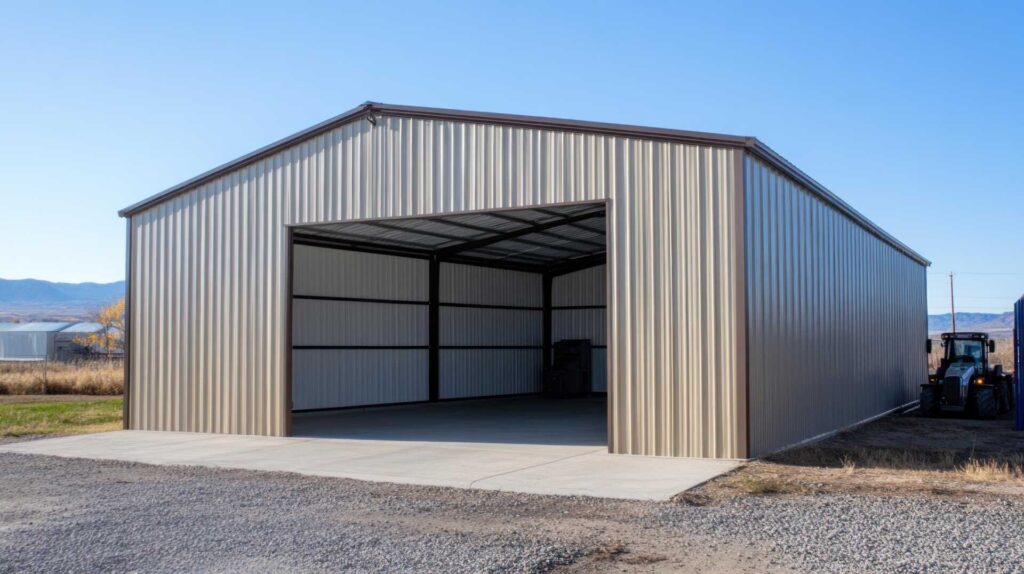
First, let’s look at metal barns. These structures come in several configurations, including open-sided barns ideal for livestock and enclosed barns that provide a secure environment for equipment and feed. Depending on your requirements, you can choose from various sizes and designs, ensuring that your barn accommodates your unique agricultural needs.
Next, consider storage shed styles. These are typically smaller than barns but can still be customized to fit your storage requirements. From simple tool sheds to larger equipment storage, metal sheds offer durability and low maintenance, making them a practical choice for farmers.
You’ll find designs that maximize space and provide easy access to your tools and supplies.
Additionally, you can explore specialty buildings, such as greenhouses or workshops, that can be constructed from metal materials. These structures can complement your farming operations while providing a solid foundation for additional activities.
Benefits of Metal Storage Solutions
Metal storage solutions offer numerous advantages that can greatly enhance your agricultural operations. By choosing metal structures, you’re investing in durability and embracing modern practices that promote sustainability and efficiency.
Here are some key benefits to reflect upon:
Durability and Longevity: Metal buildings resist weather extremes, pests, and rot, ensuring your investments last longer without frequent repairs or replacements.
Energy Efficiency: Many metal storage facilities are designed with insulation and reflective materials, which help maintain ideal internal temperatures, reducing energy costs. This aligns well with sustainability practices by minimizing your carbon footprint.
Low Maintenance: Unlike wood or other materials, metal requires minimal upkeep. This saves you time and resources, allowing you to focus on your core agricultural activities rather than constant repairs.
Versatility: Metal structures can be adapted to store various items, from equipment to grains, making them suitable for a wide range of agricultural needs. You can configure the space to fit your unique requirements, promoting effective organization.
Customization Options for Metal Structures
Your agricultural storage needs are unique, and that’s where customization options for metal structures come into play. When you choose a metal storage solution, you gain access to a range of custom features that cater specifically to your operational requirements. These features can include everything from specialized door configurations to ventilation systems designed for specific crops or equipment.
Design flexibility is another significant advantage. You can select the dimensions, layout, and materials that best suit your needs, ensuring that your storage solution is functional and tailored to your farm’s workflow. This means you can optimize space and enhance efficiency, ultimately leading to improved productivity.
Consider incorporating additional elements like interior shelving, climate control, or even solar panels that align with your sustainability goals. These custom features increase functionality and help you create a storage environment that supports your unique agricultural practices.
Moreover, the ability to choose colors and finishes allows you to maintain a cohesive look across your farm, reinforcing your brand identity. Whether you’re storing machinery, feed, or produce, having a structure that matches your vision can foster a sense of belonging and pride in your operations.
Ultimately, investing in a customized metal structure means you’re not just getting a storage solution; you’re creating a space that enhances your agricultural endeavors and reflects your values. By leveraging design flexibility and custom features, you can build a storage facility that truly meets your needs.
Size Considerations for Agricultural Storage
When planning your agricultural metal storage, consider your current storage space requirements and the maximum dimensions of the items you’ll store.
It’s also vital to think about future expansion needs to avoid constraints down the line. Proper sizing maximizes efficiency and ensures you can adapt as your operations grow.
Storage Space Requirements
Determining the right size for agricultural storage is essential to ensuring efficiency and functionality in operations. You must consider your specific storage needs and how best to utilize space. This ensures that you maximize your storage capacity while keeping everything organized and accessible.
Here are some key factors to guide your decision:
The Volumelume of Materials: Assess the total volume of items you need to store, including grains, equipment, and chemicals.
Future Growth: Anticipate your storage needs for the upcoming seasons. Plan for expansion to avoid overcrowding later.
Accessibility: Ensure adequate room for maneuvering equipment and personnel. This promotes safety and efficiency during operations.
Climate Control: If you’re storing temperature-sensitive items, factor in additional space for climate control equipment.
Maximum Item Dimensions
Understanding the maximum item dimensions for agricultural storage helps in effectively planning your space. Knowing these limits ensures that your equipment and supplies fit securely and efficiently, avoiding any unnecessary strain on your storage system.
Here’s a simple breakdown of typical maximum item dimensions and their associated constraints:
| Item Type | Maximum Load |
|---|---|
| Small Equipment | Up to 500 lbs |
| Medium Equipment | 501 – 1,500 lbs |
| Large Equipment | 1,501 lbs+ |
When you consider dimensional constraints, you’re not just thinking about size; you’re also factoring in the weight distribution and structural integrity of your storage solution. Overloading or incorrectly sizing your storage can lead to damage, inefficiency, and even safety hazards.
Future Expansion Needs
Planning for future expansion in agricultural storage is essential for optimizing your operations. By considering future growth today, you can implement effective expansion strategies that align with your long-term goals.
Here are a few key factors to keep in mind:
Current and Projected Needs: Assess your current inventory and anticipate future demands based on market trends.
Modular Design: Choose storage solutions that allow for easy modifications or expansions as your needs evolve.
Site Selection: Evaluate your land layout and ensure there’s enough space for additional structures without disrupting existing operations.
Budgeting for Growth: Factor in potential costs associated with expansion, including materials and labor, to ensure financial feasibility.
Material Durability and Maintenance
Material durability and maintenance play crucial roles in the longevity of agricultural metal storage solutions. Choosing the right materials, like galvanized steel or aluminum, can greatly enhance durability, as these metals resist rust and corrosion over time.
When you invest in high-quality metal, you ensure that your storage structure will withstand the rigors of weather, pests, and regular wear and tear.
To maximize material longevity, you need to adopt effective maintenance practices. Regular inspections are essential; check for signs of rust, scratches, or dents that could compromise the structure’s integrity.
If you spot any issues, addressing them promptly can prevent minor problems from escalating into costly repairs. Additionally, applying protective coatings can safeguard your metal storage from environmental factors.
Keep the surrounding area clean and free from debris, as this can help avoid moisture buildup that leads to corrosion.
It’s also wise to ensure proper drainage around your storage unit; standing water can be a major threat to metal durability.
Design Features for Efficiency
When designing your agricultural metal storage, consider space optimization techniques to maximize efficiency in layout and accessibility.
Incorporating weather-resistant materials will protect your stored goods from the elements, ensuring longevity and reliability.
Space Optimization Techniques
Effective space optimization techniques are essential for maximizing the functionality of agricultural metal storage solutions. By implementing strategic design features, you can achieve better organization and accessibility while utilizing every inch of available space.
Here are some practical space-saving strategies to explore:
Vertical Storage: Take advantage of height by installing shelving units or racks. This approach allows you to store more items without expanding your footprint.
Modular Units: Opt for modular storage solutions that can be reconfigured as needed. This flexibility makes it easy to adapt your storage space to changing requirements.
Multi-Functional Furniture: Use storage units that serve multiple purposes, such as benches with built-in compartments. This helps reduce clutter while providing additional seating or workspace.
Labeling Systems: Implement clear labeling for all storage locations. This technique enhances organization and improves retrieval times, making your workflow more efficient.
Weather Resistance Materials
Choosing the right weather-resistant materials for your agricultural metal storage solutions can greatly enhance their longevity and performance. To ensure your storage units withstand the elements, consider using rust-resistant alloys in their construction. These materials effectively resist corrosion caused by moisture and chemicals, extending the life of your storage.
In addition to choosing durable alloys, applying weatherproof coatings can further protect your metal structures. These coatings create a barrier against water, UV rays, and other environmental factors. Look for high-performance options that are specifically designed for agricultural applications, as they provide enhanced adhesion and flexibility.
When selecting materials, think about the climate conditions in your area. If you’re in a region with heavy rainfall or extreme temperatures, investing in higher-quality materials will pay off in the long run.
Furthermore, integrating these weather-resistant features into your design ensures durability and boosts the overall efficiency of your storage solutions. You’ll create a reliable environment for your equipment or produce, fostering a sense of reassurance and security.
Cost Factors in Metal Storage
Cost plays a crucial role in selecting metal storage solutions for agricultural needs. Understanding the financial implications ensures you make informed decisions that align with your budget planning.
Conducting a thorough cost analysis can help you evaluate the initial purchase price and the long-term expenses associated with maintenance and durability. Here are some key factors to reflect on:
Material Quality: Higher-quality metals like galvanized steel may come with a higher upfront cost but offer better longevity and reduced maintenance, ultimately saving you money over time.
Size and Capacity: Larger storage solutions can accommodate more materials, but they also require a larger initial investment. Evaluating your specific storage needs will help you avoid overspending on unnecessary capacity.
Installation Costs: Some metal storage solutions require professional installation, which can greatly impact your overall budget. Factor this into your cost analysis to avoid surprises.
Location and Site Preparation: Depending on where you plan to place your storage, you may need to invest in site preparation, such as leveling the ground or adding a foundation, which adds to your costs.
Choosing the Right Installer
How do you ensure that your investment in metal storage is backed by quality installation? Choosing the right installer is vital to make certain that your structure stands the test of time.
Start by evaluating installer qualifications. Look for professionals with experience specifically in agricultural metal storage. Verify their credentials and ask for references from previous clients. A reputable installer should be willing to provide examples of their past work and the materials they use.
Next, discuss the installation timeline with your chosen installer. A clear, realistic timeline helps you plan your operations without unnecessary delays. Be wary of promises that seem too good to be true; quality work often takes time. Make sure to inquire about potential weather-related delays and how they handle unexpected issues. A competent installer will have contingency plans in place.
It’s also beneficial to understand the installation process itself. Ask about the steps involved, from site preparation to final inspections. This will give you insight into their methodology and help you feel more connected to the process.
Finally, maintain open communication throughout the project. Good installers will keep you informed about progress and address any concerns that arise.
Review
In wrapping up your journey through agricultural metal storage options, it’s clear you have a wealth of choices to enhance your farming operation. With their sturdy nature, low upkeep, and customizable features, these structures can truly be the unsung heroes of your land. So, whether you’re protecting tools or housing livestock, investing in the right metal storage solution will serve you well for years, making your farming life a little easier and more efficient.
Recent Posts
3 Best Custom Specs for Industrial Metal Warehouses
When considering the design of industrial metal warehouses, you need to prioritize key specifications that
How to Customize Industrial Metal Warehouse Specifications
When customizing industrial metal warehouse specifications, you need to assess your operational requirements carefully. Start
3 Best Durable Metal Carports for RV Protection
Think of your RV as a prized possession, much like a classic car that needs