Contents
When considering agricultural steel structures, it’s vital to understand their three essential features: durability, versatility, and sustainability. These characteristics enhance operational efficiency and ensure that facilities meet diverse agricultural needs. By examining how these attributes work together, you’ll see why steel structures are becoming the preferred choice in the industry. What implications do these features have for your agricultural operations?
Key Takeaways
- Durability: Steel structures withstand harsh weather, ensuring longevity and reduced maintenance costs over time.
- Design Versatility: Customizable designs accommodate various agricultural functions while blending seamlessly with the landscape.
- Cost-Effectiveness: Energy-efficient designs and low maintenance reduce operational expenses, making steel a smart long-term investment.
- Sustainability: Locally sourced materials and renewable energy integrations promote environmental responsibility and lower energy costs.
- Operational Efficiency: Durable and low-maintenance steel ensures fewer disruptions, enhancing productivity in agricultural operations.
Durability and Longevity
When considering agricultural steel structures, durability and longevity are critical factors that can greatly impact operational efficiency and cost-effectiveness. Choosing materials with robust weather resistance ensures that your structures withstand harsh environmental conditions, reducing the risk of damage from rain, snow, or extreme temperatures. This resistance prolongs the lifespan of your investments while minimizing the need for frequent repairs.
Moreover, understanding maintenance requirements is essential. Structures designed with low-maintenance materials can considerably reduce your operational costs over time. Regular inspections and timely interventions are still necessary, but opting for high-quality steel can mean less frequent upkeep.
Versatility in Design
While you may envision agricultural structures as purely functional, the versatility in design they offer can greatly enhance both utility and aesthetics. With steel as a primary material, you gain significant design flexibility, allowing for a range of architectural styles that can blend seamlessly with your landscape.
You can explore various customization options, from open-span designs that maximize usable space to unique cladding choices that reflect your brand’s identity. This adaptability extends to both new builds and retrofits, ensuring your structure meets specific operational needs.
Whether you’re constructing a barn, storage facility, or livestock shelter, the ability to modify dimensions and layouts empowers you to create a tailored solution. Additionally, incorporating natural elements, like skylights or green roofs, can improve functionality while enhancing the overall visual appeal.
Cost-Effectiveness and Sustainability
The design versatility of agricultural steel structures also contributes greatly to cost-effectiveness and sustainability. By utilizing energy-efficient designs, you can markedly reduce operational costs while maximizing productivity.
Steel’s durability minimizes maintenance expenses and extends the lifespan of your structures, ensuring a long-term investment.
Moreover, smart material sourcing plays an essential role in enhancing sustainability. By choosing locally sourced steel, you support your community and reduce the carbon footprint associated with transportation. This conscious approach fosters a sense of belonging among stakeholders who prioritize environmental responsibility.
Incorporating renewable energy solutions, such as solar panels, into your steel structures can further enhance energy efficiency. This integration lowers energy costs while aligning your operations with modern sustainability practices.
Frequently Asked Questions
How Do Agricultural Steel Structures Resist Extreme Weather Conditions?
Agricultural steel structures resist extreme weather by incorporating wind resistance and snow load capabilities. You’ll find their design ensures stability, preventing damage from strong winds and heavy snow, making them reliable for your farming needs.
What Maintenance Is Required for Agricultural Steel Structures?
You’ll need regular inspections, rust prevention treatments, and maintenance of joints to ensure structural integrity. By prioritizing these tasks, you’ll enhance durability, promote safety, and foster a sense of community in your agricultural endeavors.
Can Agricultural Steel Structures Be Customized for Specific Crops?
Yes, you can customize agricultural steel structures with crop specific designs and modular configurations. This flexibility allows you to optimize conditions for your crops, ensuring efficiency and maximizing yield while adapting to unique agricultural needs.
What Is the Typical Lifespan of Agricultural Steel Structures?
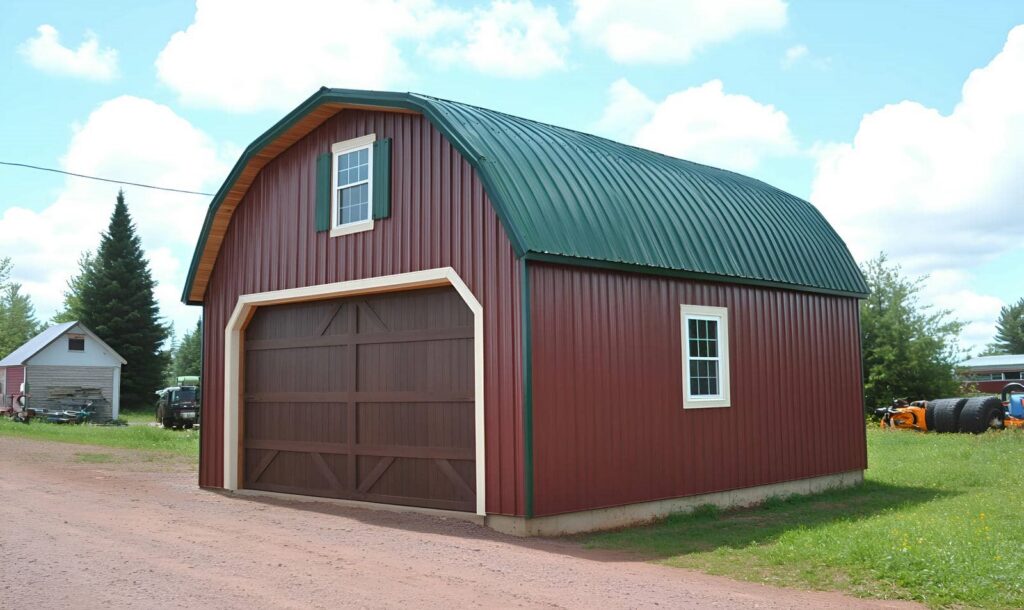
Agricultural steel structures typically last 30 to 50 years, depending on design longevity and durability factors. For instance, a well-designed barn can withstand harsh weather, ensuring your investment remains functional and reliable for decades.
How Do Steel Structures Compare to Traditional Materials in Safety?
Steel structures often surpass traditional materials in safety, meeting rigorous safety standards. Their exceptional material durability means they can withstand environmental stresses, giving you a reliable, secure option for your agricultural needs.
Final Thoughts
Incorporating agricultural steel structures into your operations is like planting a sturdy oak tree—rooted in durability and capable of weathering storms while providing shade for years to come. Their design versatility allows you to craft a unique space tailored to your specific needs, like a bespoke suit fitting perfectly. Plus, choosing sustainable materials reduces your carbon footprint and strengthens local economies, ensuring your investment grows and thrives alongside your agricultural ambitions.
Recent Posts
Why Choose Agricultural Steel Buildings for Your Needs?
When considering your agricultural needs, agricultural steel buildings stand out for their practicality and efficiency.
What Are Your Metal Garage Layout Choices?
When it comes to designing your metal garage, the layout choices can greatly impact functionality
Designing Your Industrial-Grade Metal Garage Layout
When designing your industrial-grade metal garage layout, you need to evaluate your space requirements meticulously.