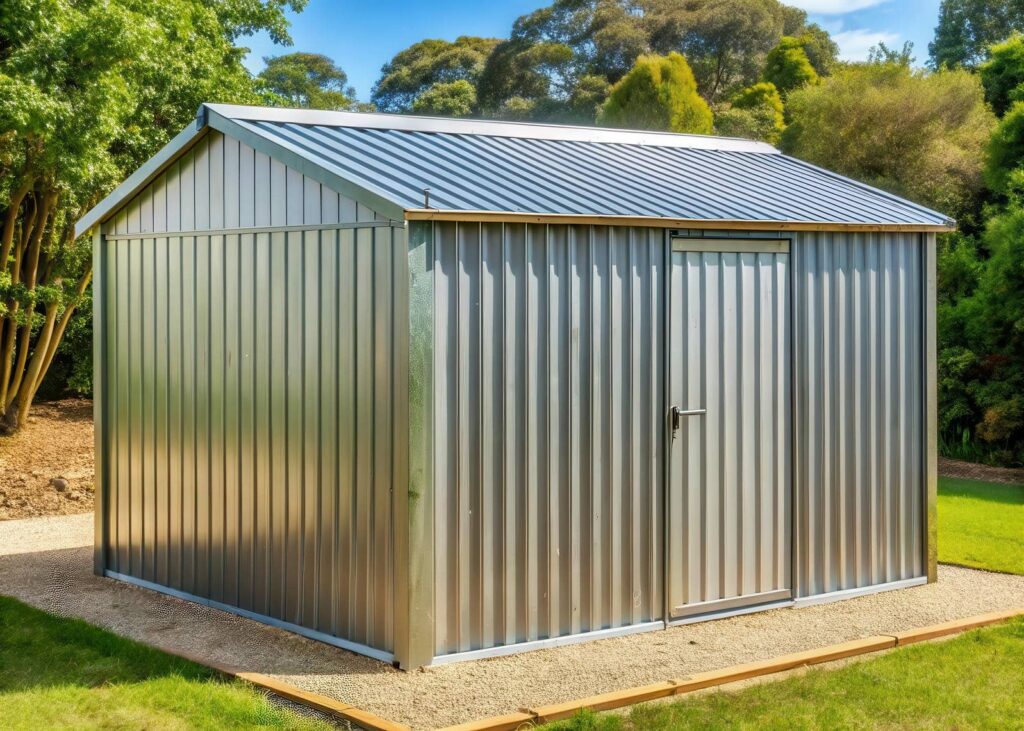
Choosing the right equipment storage shed starts with how you’ll use it, how much space you need, and how much protection your tools require. You’ll want to compare metal, wood, and portable options, then narrow things down by size, durability, and layout. Some sheds handle heavy gear better, while others save space or simplify access. The best choice isn’t always obvious, and the details can change everything.
Key Takeaways
- Choose a shed size that fits your largest equipment and leaves room for easy movement and access.
- Metal sheds are durable, low-maintenance, and resist rust, moisture, dents, and harsh weather.
- Pick shed styles by need: lean-to for tight spaces, gable for organization, and barn-style for extra height.
- Look for useful features like shelving, hooks, ventilation, insulation, lighting, and sturdy ramps.
- Compare budget, materials, warranties, delivery, and assembly before buying the best equipment storage shed.
How to Pick the Right Equipment Storage Shed
Choosing the right equipment storage shed starts with what you need to store, how much space you have, and how often you’ll access it. Measure your tools, machines, and seasonal gear, then match the footprint to your yard.
Compare shed materials so you get the look, durability, and maintenance level that fits your routine. Wood offers flexibility, while resin and metal each serve different needs.
Next, set clear budget considerations before you shop, so you can balance price, installation, and long-term upkeep without stress.
Check door width, ceiling height, and floor support to make loading easy. When you choose well, you create a tidy space that feels like it belongs to your property and supports the way you work.
Why Metal Sheds Handle Tough Storage Needs
When you need a shed that can take daily wear, heavy tools, and changing weather, metal often stands out as the toughest choice. You get strength that helps protect your equipment from dents, pests, and moisture.
With solid panels and tight seams, metal sheds can support demanding storage without feeling fragile. Their rust resistance also matters when you want dependable, long-term protection outdoors.
You won’t spend much time on upkeep, either, because simple maintenance tips like clearing debris, checking fasteners, and washing off dirt help keep the shed performing well.
That means you can focus on your tools, not constant repairs. If you want a storage space that fits into a hardworking routine, metal gives you a practical, reliable place to belong.
Best Metal Shed Types for Equipment Storage
Once you’ve decided metal fits your storage needs, the next step is picking the right shed type for the gear you keep. You’ll usually choose between lean-to, gable, and barn-style metal sheds.
A lean-to works well when you need compact access along a fence or wall. A gable shed gives you balanced space and easier shelving for equipment organization. A barn-style shed offers extra headroom, which helps if you store tall tools or stacked bins.
Each option delivers metal shed benefits like durability, low maintenance, and protection from weather. Match the layout to your routine so you can grab what you need fast and keep your setup feeling like it truly belongs.
Best Portable Metal Shed Options
When you choose a portable metal shed, focus on durability and weather resistance so your equipment stays protected in changing conditions.
You’ll also want the right size and mobility for your space, access needs, and how often you plan to move it.
Check the assembly process too, since easy setup and straightforward portability can save you time and effort.
Durability And Weather Resistance
If you want a portable metal shed that lasts, focus on construction quality and weather protection first. You’ll get better durability when you choose thick galvanized steel, tight panel seams, and rust-resistant coatings.
Match your material selection to climate considerations: coastal air, heavy rain, snow, or intense sun all demand different protection. Check for sealed fasteners, reinforced roofs, and corrosion control.
Good maintenance tips matter too—wash debris off, inspect scratches, and touch up chips early. If you store sensitive gear, consider insulation options and ventilation needs to limit condensation.
Stable foundation types help keep the shed level and reduce strain. Color choices can support aesthetic appeal while also reflecting heat.
When you compare models this way, you’ll feel confident joining a group of owners who’ve chosen wisely.
Size And Mobility
Size and mobility should guide your choice of a portable metal shed, because the right footprint makes storage easier and transport more manageable.
You’ll fit in with smart owners when you match shed size to your tools, seasonal gear, and available yard space. Measure carefully, then compare sizing considerations against your current needs and a little future growth.
Choose a compact model if you move often or share space with neighbors. Larger units work better when you want room to organize everything in one place.
Look for mobility features like built-in skids, tow points, or compact frames that help you reposition the shed when plans change.
The best fit feels practical, balanced, and ready for your routine.
Assembly And Portability
Assembly matters because the easiest portable metal shed to use is the one you can set up without a headache and move without a crew. You’ll want clear instructions, labeled parts, and simple assembly techniques that help you get settled fast.
Look for portable designs with predrilled panels, snap-together frames, and few tools, so you can finish the job confidently. If you may relocate the shed later, choose a lighter build with handles or modular sections that come apart cleanly.
Strong anchors still matter, but portability shouldn’t mean hassle. When your shed fits your space and your routine, you feel ready and included in your own setup.
Best Heavy-Duty Metal Shed Styles
When you choose a heavy-duty metal shed, start with panel gauge strength, since thicker panels usually handle daily wear better.
You’ll also want a reinforced frame design that supports heavier equipment and resists bending.
Look for weatherproof coating options that help protect the shed from rust, moisture, and harsh sun.
Panel Gauge Strength
If you want a heavy-duty metal shed that stands up to hard use, panel gauge is one of the first specs you should check. Lower gauge numbers mean thicker steel, so you get better dent resistance and a sturdier feel.
When you make panel gauge comparisons, look at how the shed will handle your tools, weather, and daily traffic. Thicker panels often give you clear panel gauge benefits, like less flex, better longevity, and a more solid store-it-and-go-home vibe.
You don’t need the heaviest option for every job, but you do want enough strength for your gear and local conditions. Choose a gauge that matches your workload, and you’ll feel confident you’re part of a smart, well-prepared shed setup.
Reinforced Frame Design
Panel gauge tells you how thick the steel skin is, but reinforced frame design determines how well the shed holds that strength together.
You want a structure with steel trusses, heavier corner posts, and cross bracing that keeps everything aligned under load. Those reinforced materials help your shed stand firm when you store mowers, compressors, or stacked bins.
Look for welded joints and tight fasteners, because they protect structural integrity and reduce wobble over time. When you choose a frame built this way, you join the group of owners who expect dependable performance, not just basic shelter.
A strong frame also makes shelving, hooks, and loft storage feel safer and easier to use every day.
Weatherproof Coating Options
Even the strongest frame needs a coating that can shrug off rain, sun, and humidity. You’ll want weatherproof finishes that protect your shed and help you feel confident your gear belongs in a tough, lasting space.
Pick coating types that match your climate and use.
Galvanized steel resists rust well and handles daily exposure.
Powder coating adds a smooth barrier and fights chips.
Polyurethane paint seals seams and boosts UV defense.
Epoxy primer systems strengthen adhesion before topcoats.
Check application methods too: sprayed coatings cover edges better, while baked finishes bond tightly at the factory.
For best results, inspect scratches, clean debris, and touch up damage fast.
With the right coating, your metal shed stays dependable, tidy, and ready for your community of tools.
Best Shed Sizes for Small and Large Yards
When you’re choosing a shed size, start with the space you’ve got and the equipment you need to store. For small yards, compact shed dimensions like 6×8 or 8×10 keep walkways open and fit neatly into tight yard layouts. You’ll still have room for tools, mowers, and seasonal gear without crowding your outdoor space.
If your yard is larger, an 8×12, 10×12, or bigger shed gives you flexible storage and easier organization. Think about how you move around the shed, where doors should face, and how much clearance you need for comfortable access.
The right size helps you stay organized, protect your gear, and feel confident your setup fits your property and your routine.
Best Garage-Style Sheds for Large Equipment
For tractors, riding mowers, ATVs, and other bulky gear, garage-style sheds give you the width, headroom, and drive-in access you need. You’ll feel right at home with storage solutions that keep heavy equipment protected and ready.
Choose sturdy shed materials like steel or treated wood for durability.
Plan smart organization systems with wall hooks, shelving, and floor space.
Compare cost considerations by balancing size, features, and long-term value.
Check site selection, maintenance tips, and ventilation options before you buy.
When you match the shed to your tools, you create a practical space that fits your routine and keeps your equipment group organized.
Focus on easy access, weather protection, and simple upkeep so your shed works hard for you year after year.
Best Lean-To Metal Shed Additions
You can make a lean-to metal shed work harder by adding space-saving wall mounts for tools and gear.
Weatherproof roof extensions help shield stored equipment from rain and snow, while easy-access doorways let you get in and out without hassle.
These upgrades keep your storage area efficient, protected, and simple to use.
Space-Saving Wall Mounts
Wall mounts can turn the inside of a lean-to metal shed into a far more efficient storage zone by getting tools, cords, and small equipment off the floor. You’ll feel the wall mount benefits right away: better access, fewer trip hazards, and more room to move.
Use vertical storage to group items by job, so you can grab what you need fast and keep your shed looking organized.
- Hang shovels, rakes, and brooms on sturdy hooks.
- Mount bins for fasteners, gloves, and small parts.
- Install rails for ladders, hoses, and power tools.
- Add labeled brackets so each item has a home.
When you build this system, you create a shed that works with you and fits your routine.
Weatherproof Roof Extensions
Weatherproof roof extensions help a lean-to metal shed handle rain, snow, and harsh sun while adding covered space outside the main structure.
You can match the extension to your shed’s slope so water moves away cleanly, then pair it with smart drainage solutions to prevent pooling and splashback.
Add roof insulation if you store temperature-sensitive gear, since it helps reduce heat gain and condensation.
Choose sealed fasteners, corrosion-resistant panels, and tight flashing to block leaks at every seam.
When you plan the overhang carefully, you create a dependable shelter that feels like part of your setup, not an afterthought.
That way, your shed works harder for you, season after season, and your gear stays better protected.
Easy Access Doorways
Easy access doorways make a lean-to metal shed far more practical by letting you move tools, bins, and bulky equipment in and out without awkward lifting or tight turns.
You’ll feel right at home when your door design supports daily use. Choose wide openings, smooth tracks, and sturdy handles for easy access that saves time and effort.
- Wide double doors for mowers and carts
- Low thresholds that reduce tripping
- Heavy-duty hinges for long-term reliability
- Lockable hardware that keeps your gear secure
With the right setup, you and your crew can store, retrieve, and organize equipment with confidence.
A smart doorway helps your shed work like part of your team, not an obstacle.
Best Metal Shed Features to Add
When you’re choosing the best metal shed features to add, focus on upgrades that improve access, durability, and day-to-day use.
Add shelving, wall hooks, and loft storage so you can keep tools organized and easy to reach. Pair those with insulation options that help steady indoor temperatures and ventilation systems that reduce moisture and stale air. You’ll protect your gear and make the space more comfortable year-round.
Bright LED lighting also helps you work safely after dark, while a sturdy ramp makes moving mowers and bins easier.
If you want a shed that feels like it truly fits your crew, choose features that support shared use, keep clutter down, and make every task smoother.
Top Shed Buying Tips
To choose the right shed, start with how you’ll use it, then match the size, material, and layout to those needs. You’ll fit in better with a shed that works for your tools and routine.
Measure your largest equipment and leave room to move comfortably.
Pick durable materials that suit your climate and support easy shed maintenance tips.
Choose doors, shelves, and hooks that improve storage organization strategies.
Compare warranties, delivery, and assembly so you know what you’re joining.
Check ventilation, flooring, and security before you buy.
A well-planned shed saves time, protects gear, and keeps your space ready for the next project.
Frequently Asked Questions
What Permits Are Needed for an Equipment Storage Shed?
You’ll usually need a building permit, and sometimes zoning approvals, for shed construction. Check local zoning regulations, utility setbacks, and size limits first. Your city or county office can tell you exactly what’s required.
How Do I Anchor a Shed in Windy Areas?
You anchor your shed with ground screws, concrete footings, or auger anchors, then add shed anchoring techniques like straps and tie-downs. Choose wind resistant materials, and you’ll keep your shed secure together.
Can I Install Shelving Inside a Metal Shed?
Yes, you can install shelving inside a metal shed—it’ll feel like adding a whole new room. Choose sturdy shelving materials, secure them to framing, and plan weight distribution so you’re safe and organized.
How Often Should I Maintain a Storage Shed?
You should perform shed maintenance every season, plus quick monthly checks. Inspect the roof, doors, seals, and floor, then clear debris and fix small issues early, so your shed stays reliable, welcoming, and ready.
Are Metal Sheds Safe for Storing Fuel and Chemicals?
Yes, you can use metal sheds for fuel and chemicals if you add proper fuel safety steps and chemical containment. You should ventilate well, seal containers tightly, and keep items away from heat, sparks, and direct sunlight.
Conclusion
Now you can match your shed to your space, your tools, and your daily routine. When the right size, style, and features line up, storage feels easier and your equipment stays protected. It’s a small choice that can make a big difference, because a shed that fits well today often prevents bigger problems tomorrow. So pick the option that works for you now, and you’ll thank yourself later when everything has its place.