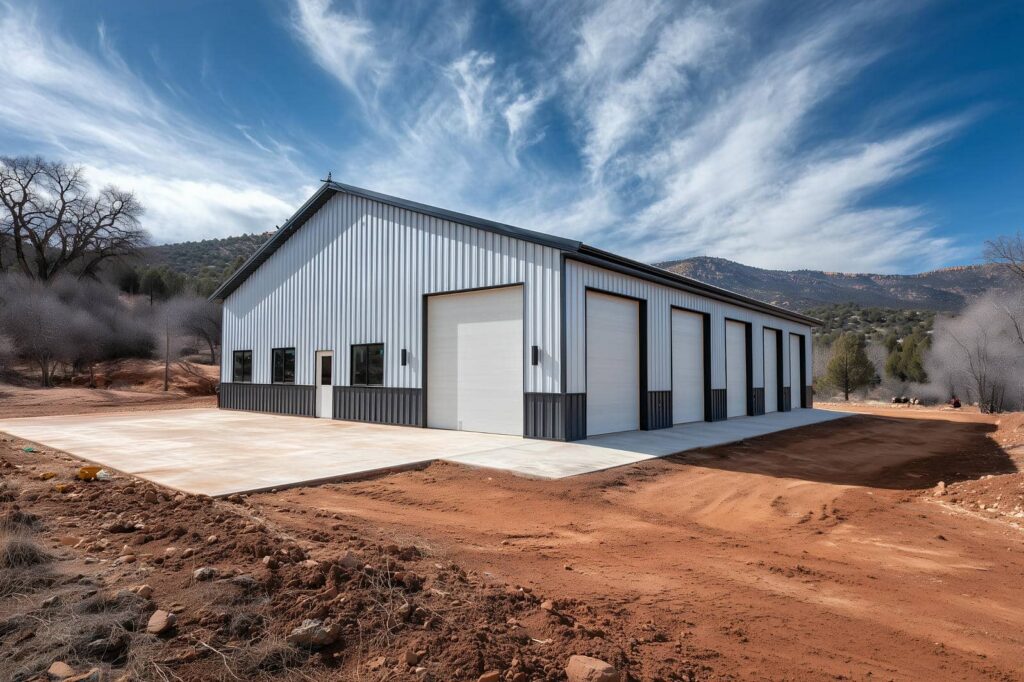
When you choose a custom storage shed, you’ll want to compare a garden shed, a workshop shed, and a multi-purpose shed. Each one serves a different need, from organized tool storage to hands-on projects and flexible hobby space. You’ll also need to think about size, layout, and features like windows, ventilation, and durable materials, because the right setup can make a small structure work much harder than you expect.
Key Takeaways
- Choose a shed size that matches current storage needs and leaves room for future items.
- Plan the interior with a clear aisle, lower heavy-item shelves, and vertical hooks for efficient access.
- Add custom features like windows, vents, and double doors to improve light, airflow, and usability.
- Use labeled bins and category-based zones to keep gardening, repair, and seasonal items organized.
- Prioritize durable, climate-suitable materials and practical upgrades that improve daily functionality.
Choose the Right Shed Size
Choosing the right shed size starts with how you plan to use it. You want shed dimensions that fit your tools, equipment, and seasonal items without wasting yard space.
Measure what you’ll store now, then add room for future needs so you’re not outgrowing your shed too soon. If you’re creating a shared spot for garden gear, bikes, or hobby supplies, choose a layout that supports easy access and space optimization.
A compact shed works well for basic storage, while a larger one gives your household more flexibility and a stronger sense of order.
Compare available footprints to your property, local rules, and daily routines. When you match size to purpose, you’ll get a custom shed that feels like it truly belongs.
Plan the Interior Layout
Start with how you’ll move through the shed, then place shelves, hooks, and bins where they won’t block traffic or door swing.
Map a clear center aisle so you can reach every wall without bumping stored gear.
Put heavy items on lower shelving solutions for stability, and keep lighter supplies up high for quick access.
Use vertical space with sturdy hooks for tools, ladders, and cords, while labeled bins keep small parts sorted.
Group items by task, like gardening, repair, or seasonal storage, so you can grab what you need fast.
Add organizational tools that match your routine, and leave room to grow as your needs change.
A smart layout helps your shed feel organized, welcoming, and easy to use every day.
Choose Custom Features
Once you know how you’ll use the shed, you can pick custom features that make daily tasks easier. Add windows for natural light, vents for airflow, and double doors if you move bulky gear.
Choose shelves, hooks, and lofts that match your routine, so everything has a place and your space feels like it belongs to you. During material selection, think about durability, upkeep, and how the shed will handle your climate.
You can also compare design styles to make sure the shed fits your yard and home. If you store tools, bikes, or hobby supplies, pick features that support quick access and better organization.
Small upgrades now can save time later and help your shed work the way you need it to.
Frequently Asked Questions
What Permits Are Required for Installing a Custom Storage Shed?
You’ll usually need a zoning permit, and sometimes a building permit, depending on shed design, size, and location. Check local zoning regulations first, then ask your county or city office before you install anything.
How Long Does Custom Shed Construction Usually Take?
You’ll usually wait one to three weeks, depending on timeline considerations and construction factors like size, site prep, permits, and weather. You can speed things up by choosing simpler designs and staying responsive with your builder.
What Materials Last Longest in Wet Climates?
You’ll get the longest life from galvanized steel, composite, or properly treated cedar in wet climates. Pair them with wood treatments, durable roofing options, strong drainage solutions, and moisture-resistant insulation materials so you belong to a dry, lasting build.
Can a Shed Be Moved After Installation?
Yes, you can move a shed after installation, but shed relocation takes planning, permits, and moving logistics. You’ll need to disconnect utilities, protect the structure, and hire pros if it’s heavy or anchored.
Do Custom Sheds Increase Property Value?
Yes—your custom shed can quietly lift value if it improves shed aesthetics, functions well, and suits local tastes. You’ll likely see stronger shed resale appeal, especially when you choose quality materials and thoughtful placement.
Review
When you choose the right shed size, plan a smart interior layout, and add the custom features that matter most, you’ll get a space that truly works for you. Whether you need a garden shed, workshop shed, or multi-purpose shed, match the design to your storage and hobby goals. Don’t settle for a one-size-fits-all solution—build a shed that fits your life like a glove, even if your tools still think it’s 1899.