
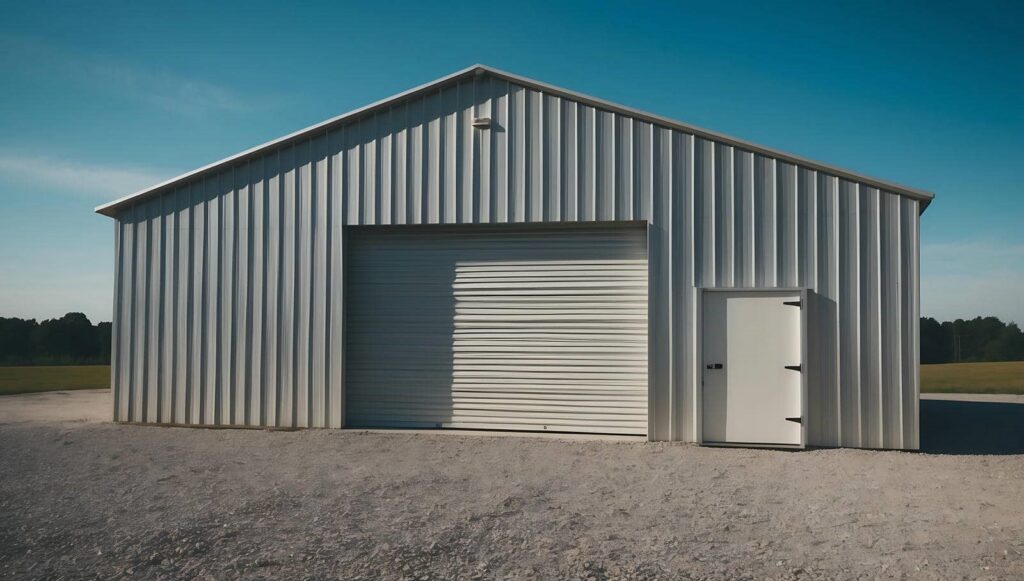
When it comes to selecting durable steel garages and workshops, it is important to make informed choices that meet your specific needs. You’ll want to assess your space, evaluate the quality and thickness of the steel, and consider customization options. Additionally, understanding local building codes is essential for compliance. Each of these factors plays a significant role in ensuring longevity and functionality. So, what should you look for regarding design and structural integrity?
Key Takeaways
- Assess your space dimensions and functional requirements to ensure a proper fit for vehicles and equipment.
- Choose high-grade, galvanized steel with thicker options for enhanced strength and corrosion resistance.
- Incorporate customizable features like adjustable shelving and insulated walls to meet specific storage and workspace needs.
- Verify structural integrity through warranty checks and documentation on load ratings and installation standards.
- Understand local building codes and obtain necessary permits to ensure compliance with regulations regarding size and placement.
Assessing Your Space and Needs
What do you really need from your new steel garage or workshop? Start by evaluating your space dimensions. Measure the area where you plan to set up your garage or workshop, considering both width and height. This ensures that you choose a structure that fits comfortably, leaving room for movement and access.
Next, identify your functional requirements. Will you be storing vehicles, equipment, or tools? Determine what you’ll be using the space for, as this will dictate the layout and features you need.
Think about shelving, workbenches, and storage solutions that fit your activities. Also, consider future needs—will you expand or add more items later?
Evaluating Steel Quality and Thickness
As you evaluate the steel quality and thickness for your garage or workshop, remember that these factors greatly impact durability and longevity.
Selecting the right steel grades and thickness can make a significant difference in how well your structure withstands various conditions. Here are some key considerations:
Steel Grades: Opt for high-grade steel like G90 or G100 for superior corrosion resistance.
Thickness Benefits: Thicker steel provides enhanced strength and can endure heavy loads.
Welding Quality: Verify the welds are robust, as they affect the overall integrity.
Rust Resistance: Look for galvanized steel to protect against rust and environmental wear.
Local Climate: Consider your area’s weather conditions, as they influence the required thickness.
Considering Design and Customization Options
When you’re planning your durable steel garage or workshop, considering design and customization options is essential to maximizing functionality and aesthetics.
Start by evaluating your specific needs. Do you require extra storage, workspace, or room for equipment? Customization features like adjustable shelving, insulated walls, and specialized doors can enhance your space and make it more practical for your activities.
Next, think about design aesthetics. Choose colors, finishes, and styles that align with your property and personal taste. This boosts the visual appeal and creates a cohesive environment that feels welcoming.
Finally, don’t overlook the layout. A well-thought-out design can greatly improve workflow and efficiency, ensuring that every inch of your garage or workshop serves a purpose.
Reviewing Structural Integrity and Warranty
While evaluating your durable steel garage or workshop, reviewing its structural integrity and warranty is essential for ensuring long-term durability and performance.
Start by checking the warranty terms, as they can vary greatly between manufacturers. A solid warranty often indicates confidence in the product’s quality.
Consider these key aspects during your assessment:
Material Quality: Verify that the steel used meets industry standards.
Design Features: Look for reinforcements that enhance stability.
Structural Assessments: Request documentation on load ratings and stress tests.
Installation Standards: Confirm that proper installation methods are followed.
Warranty Coverage: Understand what’s included and excluded in the warranty terms.
Understanding Local Building Codes and Regulations
Understanding local building codes and regulations is essential for ensuring your steel garage or workshop complies with legal requirements.
Familiarizing yourself with zoning restrictions in your area is vital, as these dictate where you can place your structure. Different zones have specific rules regarding size, height, and even appearance, so make sure to check these before moving forward with your project.
Additionally, pay close attention to permit requirements. Many jurisdictions mandate permits for constructing or modifying garages and workshops.
Applying for the correct permits keeps your project legal and protects you from potential fines or complications down the road.
Consult local authorities or a professional contractor who understands these regulations.
Frequently Asked Questions
How Do I Maintain My Steel Garage Over Time?
To maintain your steel garage, regularly inspect for rust, apply protective coatings, and clean debris. Follow these maintenance tips to ensure longevity, while prioritizing rust prevention to keep your space functional and welcoming for years.
Can I Add Insulation to My Steel Workshop?
Absolutely, adding insulation to your steel workshop greatly enhances comfort. Choose insulation types like fiberglass or spray foam, and follow the installation process carefully for ideal results, ensuring your workspace stays warm and welcoming year-round.
What Are the Typical Costs for Steel Garages?
Typical costs for steel garages range from $3,000 to $15,000, depending on size, design, and location. Consider cost factors like labor and materials when making a price comparison to ensure you’re getting the best value.
Are There Eco-Friendly Steel Options Available?
Yes, there are eco-friendly steel options available. Many manufacturers use sustainable materials and offer recycling options, ensuring your steel garage contributes to environmental conservation while maintaining durability and functionality for your needs.
How Long Does It Take to Install a Steel Garage?
Installing a steel garage typically takes one to three days, depending on the installation timeline and garage preparation. With proper planning, you’ll transform your space into a sturdy haven quicker than you imagine.
Final Thoughts
In conclusion, selecting a durable steel garage or workshop involves careful consideration of your space, steel quality, design options, and local regulations. By prioritizing these factors, you enhance functionality and ensure long-term value and safety for your investment. Don’t overlook these essential aspects to make an informed decision that meets your needs.