
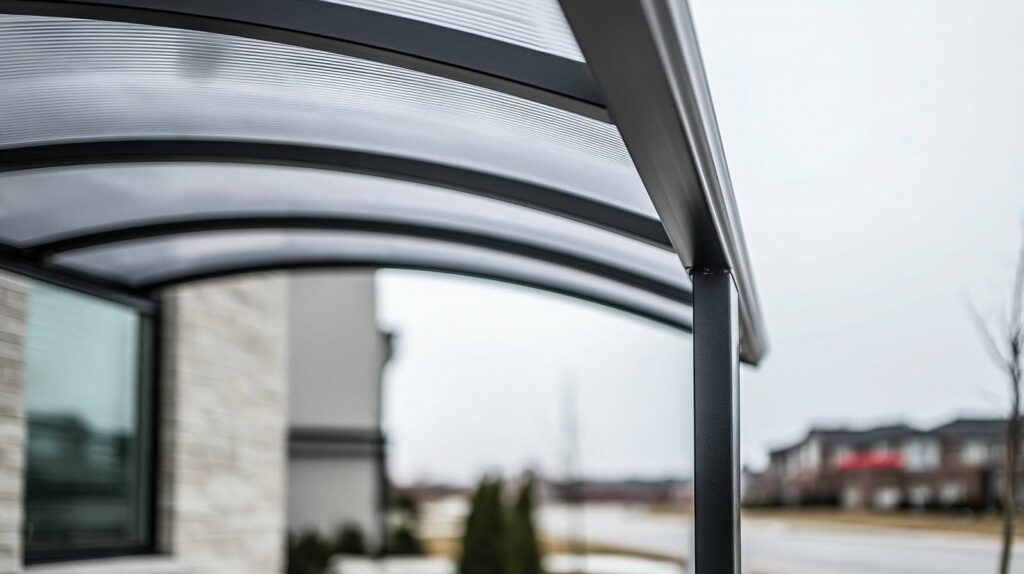
Affordable custom metal carports give you a practical way to protect vehicles, equipment, and open storage without overspending. You can control the size, roof style, steel gauge, and finish to match your site and budget, but each choice changes the final price. Local code requirements, wind ratings, and installation details also affect cost, and the right balance isn’t always obvious at first.
Key Takeaways
- Affordable custom metal carports balance size, roof style, and steel gauge to meet needs without unnecessary material or labor costs.
- Simple designs, like regular or boxed-eave roofs, usually cost less than vertical roofs or highly customized structures.
- Accurate measurements and layout planning help avoid oversizing, clearance problems, and expensive installation changes.
- Local permits, wind ratings, and anchor requirements can add cost, so check code compliance before ordering.
- Comparing itemized quotes, delivery, trim, anchors, and warranty terms helps find the best true value.
What Affects Custom Carport Costs?
Several factors shape what you’ll pay for a custom metal carport, including its size, roof style, steel gauge, anchoring method, and any added features such as enclosed sides, trim, or insulation.
You’ll also see cost changes when you select more complex design features, because custom bends, extra panels, and upgraded finishes require more labor and materials.
Installation methods matter too: a concrete anchor system usually costs more than a simple ground anchor setup, but it can improve stability in demanding conditions.
You belong in a structure that fits your site and budget, so compare quotes line by line.
Ask whether delivery, permits, and labor are included, because those charges can shift the final price.
Clear specifications help you avoid surprises and choose confidently.
Choose the Right Size and Layout
Start by measuring each vehicle’s exact length, width, and height, including mirrors, roof racks, and any other protrusions.
Add enough clearance for door swing, walk-around access, and safe maneuvering, so the layout doesn’t feel cramped.
You should also account for future use, such as extra vehicles, storage racks, or workspace, when you set the final footprint.
Measuring Vehicle Dimensions
Before you choose a custom metal carport, measure the full footprint of each vehicle you plan to store, including length, width, and height with mirrors, antennas, racks, and open doors accounted for.
Compare vehicle types—sedans, trucks, SUVs, trailers, and RVs—because each one demands different coverage. Use consistent measurement techniques: tape from bumper to bumper, mirror tip to mirror tip, and ground to highest fixed point.
Record dimensions on level pavement so your numbers stay accurate. If you’re storing more than one vehicle, map the layout side by side and verify turning paths, door swing, and entry alignment.
When you measure carefully, you join a group of owners who plan confidently and build carports that fit their lives, not just their vehicles, with no guesswork later.
Allowing Extra Clearance
Add at least 2 to 3 feet of clearance on every side of your vehicle so doors can open fully, mirrors won’t scrape the frame, and you’ve got room to load gear, walk around, and maneuver safely.
This spacing gives your custom carport extra height where you need it and preserves design flexibility without crowding the posts.
- Measure door swing at full open
- Add clearance for mirrors and antennas
- Verify roof pitch won’t reduce edge space
- Keep walk paths unobstructed
- Match bay width to your widest vehicle
When you size the layout this way, you create a tighter fit that still feels comfortable and professional.
You’ll belong in a setup that works smoothly, protects finishes, and supports everyday use.
Planning Future Use
If you expect your vehicle needs to change, size the carport for the largest configuration you may own and the activities you’ll likely add later. You’ll protect your investment better when you map future needs into the footprint, roof span, and wall placement.
Choose a layout that leaves clearance for doors, storage racks, tools, and walk-around access, so you don’t trap yourself in a tight bay. If you may add a boat, mower, or workbench, specify usage flexibility now by planning wider entries and stronger anchoring points.
You’ll fit in with practical owners who design once and adapt later. A well-planned carport reduces retrofit costs, improves circulation, and keeps your space ready for changing routines.
Plan for Local Codes and Wind Ratings
Local building codes and wind-load requirements should guide your carport design from the start, because they determine the minimum structural standards your installation must meet.
You’ll want to verify local regulations before you order, so your layout, anchoring, and bracing all align with permit rules and community expectations.
- Confirm setback, height, and snow-load limits
- Check wind resistance ratings for your zone
- Ask whether engineered drawings are required
- Verify anchor spacing and foundation specs
- Keep permit documents for inspection review
When you plan this early, you protect your project from delays, fines, and costly redesigns.
You also join homeowners who build smart, compliant carports that stand up to your area’s conditions and meet the standards your neighborhood expects.
Pick Materials That Fit Your Budget
You can lower costs by selecting budget-friendly steel options that still meet your load and corrosion requirements.
Choose the lightest gauge thickness that satisfies your span, snow, and wind ratings, since heavier gauges raise material cost fast.
You can also reduce expense by using simpler roof styles, because fewer bends, seams, and accessories cut fabrication and installation costs.
Budget-Friendly Steel Options
When you’re comparing budget-friendly steel options, start by matching the metal gauge, coating, and structural framing to your carport’s actual load and corrosion needs rather than paying for unnecessary upgrades.
You’ll get affordable materials that still deliver design flexibility and a clean, cohesive look. Choose galvanized or painted steel if your site has routine moisture exposure, and confirm the frame uses standardized components that support easy expansion later.
- Verify local wind and snow ratings
- Compare coating warranties and service life
- Select pre-engineered members for efficient value
- Favor modular layouts for future add-ons
- Ask for trim that matches existing structures
This approach helps you fit in with neighbors while keeping your build practical, durable, and cost-controlled.
Gauge Thickness Choices
Gauge thickness has a direct impact on cost, rigidity, and long-term performance, so choose the lightest gauge that still meets your site’s structural demands.
You’ll usually compare gauge options such as 14, 12, and 11, with lower numbers indicating thicker steel. If you’re balancing price and durability, ask for load ratings, wind exposure, and anchoring requirements before you commit.
Thinner panels reduce upfront cost, but thicker members deliver better thickness benefits by improving impact resistance and limiting flex.
You don’t need the heaviest frame to fit in; you need the right one for your climate and usage. A well-matched gauge keeps your carport reliable, protects your investment, and helps you feel confident in your build choices.
Roof Style Savings
Roof style affects both material cost and structural requirements, so matching the design to your budget can trim upfront spend without sacrificing function.
When you choose roof design, you control panel count, framing load, and installation time. A simple regular roof usually costs less than a boxed eave or vertical profile, yet it still gives solid weather protection.
If you want more aesthetic appeal, weigh the extra steel and trim against the visual payoff.
- Regular roofs use fewer components
- Vertical roofs shed water fastest
- Boxed eaves add finish and edge strength
- Wider spans may need heavier framing
- Local snow load rules affect savings
You’ll fit in with owners who plan carefully and buy only the materials their site truly needs.
Compare Roof Styles for Best Value
To get the best value from an affordable custom metal carport, you should compare roof styles based on local weather, structural performance, and installed cost.
You’ll usually see regular, boxed-eave, and vertical profiles. Regular roofs cost less and suit mild climates, while boxed-eave styles add cleaner design aesthetics without much price increase.
Vertical roofs deliver the strongest drainage and snow shedding, so their slope advantages matter when you face heavier precipitation.
If you’re aiming for a balanced purchase, weigh panel orientation, span needs, and wind exposure together. That’s how you stay with a group of owners who choose durability without overspending.
Ask for engineered load ratings and compare the final package, not just the base frame, before you decide.
Low-Cost Upgrades Worth Adding
When you’re keeping a custom metal carport affordable, a few low-cost upgrades can improve usability without pushing the project into a higher price tier. You can choose options that support daily function and still fit your budget.
Add closed-end panels for better wind resistance.
Specify extra anchors during DIY Installation for higher stability.
Use trim pieces to seal edges and reduce moisture entry.
Select a slightly taller leg height to improve clearance.
Plan Design Considerations around lighting conduit and future accessories.
These upgrades target performance, not ornamentation, so you keep costs controlled while improving fit and durability.
Get a Quote for Your Custom Carport
Once you’ve narrowed your options to the practical upgrades that matter most, the next step is getting a detailed quote for your custom carport. You should provide exact dimensions, roof style, gauge thickness, and any custom design features so the estimate reflects your build.
Ask how the supplier prices anchors, trim, and local code compliance, because those items affect total cost. You’ll also want to review installation considerations, including site leveling, permit fees, delivery access, and labor scope.
A precise quote helps you compare vendors on equal terms and feel confident you’re joining a community of owners who value durable protection. Request itemized pricing, turnaround time, and warranty terms, then verify every line before you sign.
Frequently Asked Questions
How Long Does Installation Usually Take?
You’ll usually finish installation in one to three days. Your installation process depends on installation factors like size, site prep, anchoring, and weather, but you’ll gain a sturdy structure and fit with your community.
Can Custom Carports Be Relocated Later?
Yes, you can relocate custom carports if you design them for disassembly. You’ll want relocation options, installation flexibility, and bolted connections. You’ll preserve structural integrity, cost efficiency, and your property’s cohesive appearance.
Do Affordable Carports Need Permits?
Yes—like a gate checking every visitor, permit requirements and zoning regulations often apply to your affordable carport. You’ll need local approval, and you shouldn’t start construction until you’ve confirmed those rules.
Are Color Choices Included in the Price?
Yes, you’ll usually get color options, but they can affect pricing factors. You’ll choose standard finishes without extra cost, while premium coatings or custom matches often raise your total. That way, you belong to the design process.
What Maintenance Do Metal Carports Require?
You’ll need periodic inspections, washing, and tightening fasteners. Keep drainage clear, touch up scratches for rust prevention, and check welds, panels, and anchors to preserve structural integrity and keep your carport dependable.
Conclusion
Affordable custom metal carports give you a practical way to protect vehicles and equipment without overspending. By choosing the right size, roof style, steel gauge, and code-compliant wind rating, you can control costs while still getting long-term durability. Isn’t it better to invest in a structure that fits your property and budget? When you compare options and request a detailed quote, you’ll find a reliable, customized solution that works for you.