
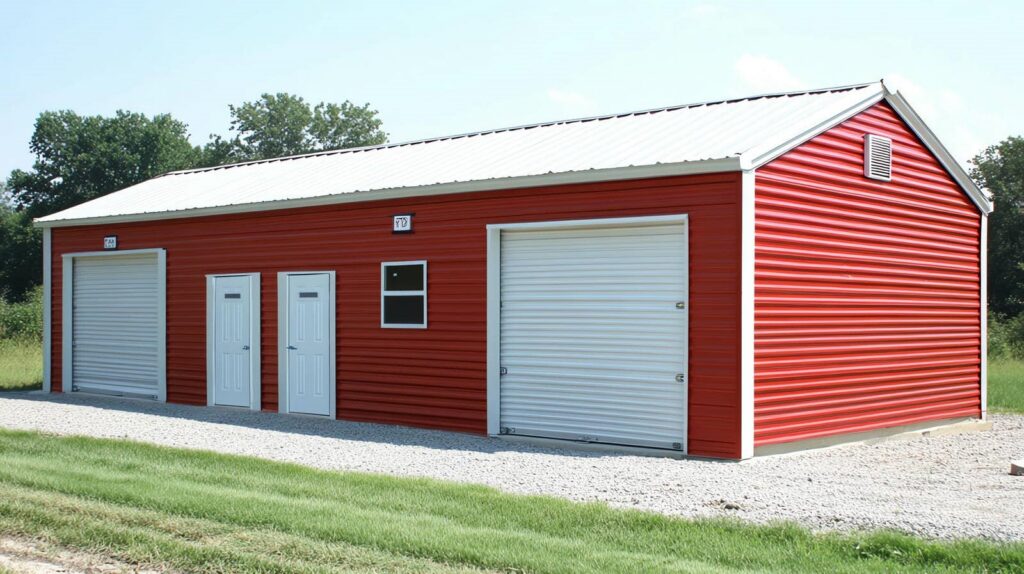
When it comes to enhancing your agricultural operations, affordable agricultural steel solutions offer practical advantages you might not have considered. These structures provide durability and efficiency that can greatly reduce your long-term costs. With various types of steel buildings available and financing options to ease the burden, you can tailor solutions to meet your specific needs. But what exactly makes steel a superior choice for modern farming? Let’s explore the details further.
Key Takeaways
- Explore government grants and loan programs designed for farmers to help finance steel structures affordably.
- Steel’s durability minimizes long-term maintenance costs, making it a cost-effective investment for agricultural needs.
- Customizable steel structures can be tailored to fit varying operational requirements, maximizing efficiency and productivity.
- Steel’s recyclability supports sustainable farming practices, contributing to reduced environmental impact and operational costs.
- Consider modular buildings that offer flexibility and adaptability, allowing for future expansions or changes in agricultural demands.
Benefits of Using Steel in Agriculture
When it comes to modern farming, the benefits of using steel in agriculture are hard to overlook. Steel’s versatility allows you to adapt structures for various agricultural needs, from storage facilities to livestock housing. This adaptability enhances agricultural efficiency, as you can easily modify or expand your operations without significant downtime.
Steel’s strength ensures durability, minimizing maintenance costs and extending the lifespan of your investment. Additionally, its lightweight nature simplifies transport and assembly, saving you time and labor costs.
Using steel can also improve energy efficiency; insulated steel structures often result in lower heating and cooling expenses. As you embrace these advancements, you’re not just investing in materials—you’re building a sustainable future for your farm.
This sense of community and progress resonates with fellow farmers who share your vision for innovation and efficiency. By choosing steel, you’re aligning with a modern approach that meets today’s agricultural demands.
Types of Agricultural Steel Structures
Agricultural steel structures come in various forms, each tailored to meet specific farming needs. You can choose from different steel barn types, providing ample space for equipment sheds or livestock enclosures.
Greenhouse structures made from steel offer durability and excellent crop protection, crucial for any farmer focused on maximizing yield. Storage facilities and silos designs ensure that your grains and produce remain safe and accessible.
If you’re considering modular buildings, they allow for flexibility and can quickly adapt to your changing agricultural demands. For those interested in innovative practices, agricultural workshops can support vertical farming initiatives, enhancing productivity.
Each of these structures plays a significant role in creating an efficient farming operation, helping you foster a thriving agricultural community. By selecting the right steel structure, you’re investing in your farm’s future, assuring it meets both current and future challenges.
Cost Comparison: Steel vs. Traditional Building Materials
When evaluating costs between steel and traditional building materials, consider the longevity and durability of each option.
Steel structures often require less maintenance over time, which can offset initial investment costs.
Longevity of Materials
While traditional building materials like wood and concrete have long been staples in farm construction, steel emerges as a superior choice when considering longevity and overall cost-effectiveness.
Steel offers exceptional material resistance against environmental factors such as moisture, pests, and extreme weather, greatly reducing the risk of structural failure. Unlike wood, which can warp or rot over time, steel maintains its integrity, ensuring your investment lasts longer.
Furthermore, steel’s recyclability contributes positively to the environmental impact of your agricultural operations, aligning with sustainable practices.
When you weigh the costs of replacement or repairs for wood and concrete, steel’s durability becomes an economically sound decision, helping you save money and time in the long run.
Maintenance and Durability
Choosing steel over traditional building materials like wood and concrete can markedly reduce maintenance costs and enhance durability for your farming operations.
Steel’s inherent qualities, such as corrosion resistance, minimize the need for frequent repairs.
Here are three key points to evaluate:
- Preventive Measures: Regular inspections and maintenance can identify potential issues early, prolonging the lifespan of your structures.
- Corrosion Resistance: Steel’s ability to withstand environmental factors means less deterioration over time, reducing replacement costs.
- Lower Long-Term Costs: With minimal upkeep, you can allocate resources to other critical areas of your farm.
Initial Investment Costs
Investing in agricultural structures requires careful consideration of initial costs, especially when comparing steel to traditional materials like wood and concrete.
Conducting an initial cost analysis reveals that while steel may have a higher upfront price, its longevity and lower maintenance expenses often offset this.
When you implement effective budgeting strategies, you can better manage these initial costs. For instance, factor in potential savings from reduced maintenance and longer lifespan when evaluating your budget.
Additionally, steel’s quick assembly can save labor costs, making it a more practical choice in the long run.
Ultimately, understanding these financial dynamics helps you make informed decisions, ensuring you invest wisely in your agricultural future.
Sustainable Farming With Steel Solutions
When you consider sustainable farming, steel structures offer significant benefits that enhance efficiency.
Their cost-effectiveness and durability reduce replacement costs and minimize environmental impact over time.
Benefits of Steel Structures
As you explore sustainable farming solutions, the advantages of steel structures become increasingly clear.
These structures enhance agricultural efficiency and contribute to a more environmentally-friendly approach to farming.
Consider the following steel structure advantages:
- Durability: Steel withstands harsh weather conditions, reducing maintenance costs and downtime.
- Flexibility: Steel can easily adapt to various agricultural needs, from livestock housing to storage facilities.
- Sustainability: Steel is recyclable, minimizing waste and promoting a circular economy within your farming practices.
Cost-Effective Farming Materials
While many farmers seek cost-effective solutions to enhance productivity, incorporating steel materials in your operations can greatly lower overall expenses.
By utilizing innovative designs, you can streamline processes and optimize farming efficiency. Steel structures, such as barns and storage units, provide sturdy support and reduce maintenance costs over time.
These materials are adaptable to various agricultural needs, allowing you to customize spaces that improve workflow and accessibility. Investing in steel also means benefiting from energy-efficient options, which can further reduce operational costs.
Ultimately, making the switch to steel solutions helps create a sustainable farming environment while fostering a sense of community among those who prioritize both affordability and productivity in agriculture.
Durability and Longevity Factors
Investing in steel solutions enhances the durability and longevity of your farming structures, which is essential for sustainable agriculture. By choosing steel, you ensure your investments withstand the test of time and weather.
Here are key factors to contemplate:
- Weather Resistance: Steel’s inherent properties make it impervious to rot, pests, and extreme weather, reducing maintenance costs.
- Load Bearing Capacity: Steel can support significant loads, making it ideal for structures that require strength and stability, such as barns and silos.
- Lifespan: Steel structures can last decades, providing a long-term solution that aligns with sustainable farming practices.
Customization Options for Agricultural Steel Buildings
When you’re considering agricultural steel buildings, customization options play an essential role in meeting your specific needs. You’ll find that these structures offer remarkable design flexibility, allowing you to tailor dimensions and layouts that align with your operational requirements.
Whether you need a large barn for livestock or a compact storage unit for equipment, you can specify the size that works best for you.
Moreover, customization extends beyond mere dimensions. You can choose features like ventilation systems, insulation, and entry points, ensuring your building is functional and efficient.
This level of adaptability means you can create a space that fits your farming practices seamlessly. By investing in a customized agricultural steel building, you empower your operations, enhancing productivity while ensuring you have a space you can truly call your own.
Embrace the possibilities, and take control of your agricultural environment today.
Maintenance and Longevity of Steel Structures
Understanding the maintenance and longevity of steel structures is essential for maximizing your investment and ensuring operational efficiency.
By implementing a proactive approach, you can greatly enhance the lifespan of your steel buildings. Here are three key practices to follow:
- Preventive Maintenance: Schedule regular checks to address minor issues before they escalate. This includes cleaning, rust treatment, and lubrication of moving parts.
- Structural Inspections: Conduct thorough inspections at least biannually. Look for signs of wear, corrosion, or structural weaknesses that could compromise integrity.
- Weatherproofing: Apply protective coatings and sealants to shield against harsh environmental conditions, which can lead to deterioration.
Financing Options for Farmers
How can you secure the necessary funds to enhance your agricultural operations? Understanding your financing options is essential.
You might consider government grants tailored for farmers, which can greatly reduce upfront costs for steel structures. Look into various loan programs designed specifically for agricultural investments; these often feature favorable terms that align with your cash flow needs.
Incorporating solid financial planning is important. Assess your current financial situation and establish a budget that reflects your operational goals. This will help you identify which loan or grant aligns best with your investment strategies.
Don’t hesitate to engage with local agricultural organizations; they often have resources and insights into available financing options.
Success Stories: Farmers Who Chose Steel Solutions
Many farmers have successfully transformed their operations by investing in agricultural steel solutions.
These successful changes enhance productivity and ensure long-term sustainability.
Here are three notable examples:
- Livestock Housing: One farmer implemented innovative designs for steel barns, improving ventilation and animal welfare, leading to an increase in milk production.
- Equipment Storage: Another farmer upgraded to a steel equipment shed, greatly reducing maintenance costs and protecting essential machinery from harsh weather.
- Greenhouse Structures: A third farmer invested in steel-framed greenhouses, which allowed for year-round cultivation, boosting vegetable yields.
These stories highlight how adopting steel solutions can revolutionize farming practices.
Frequently Asked Questions
How Do I Choose the Right Steel Supplier for My Needs?
To choose the right steel supplier, evaluate their reputation and assess material quality. Research their customer reviews, compare prices, and ascertain their products meet your specific requirements for durability and performance. Trust is essential in this decision.
What Are the Installation Timelines for Agricultural Steel Structures?
You’d think installation timelines for agricultural steel structures are quick, right? In reality, project planning can stretch from weeks to months, depending on complexity and site conditions. Proper timing ensures a smooth, efficient installation process.
Are There Any Zoning Regulations for Steel Buildings in Agriculture?
Yes, you’ll need to check local zoning permits and agricultural codes before constructing steel buildings. Regulations can vary greatly, so understanding these requirements ensures your project complies and avoids potential legal issues down the line.
Can I Retrofit Existing Structures With Steel Materials?
Yes, you can retrofit existing structures with steel materials. Explore various retrofitting options to enhance structural integrity, ensuring your buildings meet safety standards while benefiting from the durability and strength that steel provides.
What Warranties Are Typically Offered With Steel Agricultural Buildings?
Think of warranty coverage as the safety net beneath your agricultural ambitions. Typically, you’ll find warranties ranging from 20 to 50 years, reflecting durability expectations that ensure your investment stands strong against nature’s challenges.
Conclusion
Incorporating steel structures into your farming operations isn’t just a cost-effective choice; it’s a strategic move toward sustainability and resilience. While traditional materials may seem appealing, their long-term costs and maintenance can outweigh initial savings. By investing in steel, you’re enhancing productivity and future-proofing your farm. The success stories of other farmers demonstrate that embracing this durable solution can lead to improved operational efficiency and profitability, proving that innovation is key in today’s agricultural landscape.