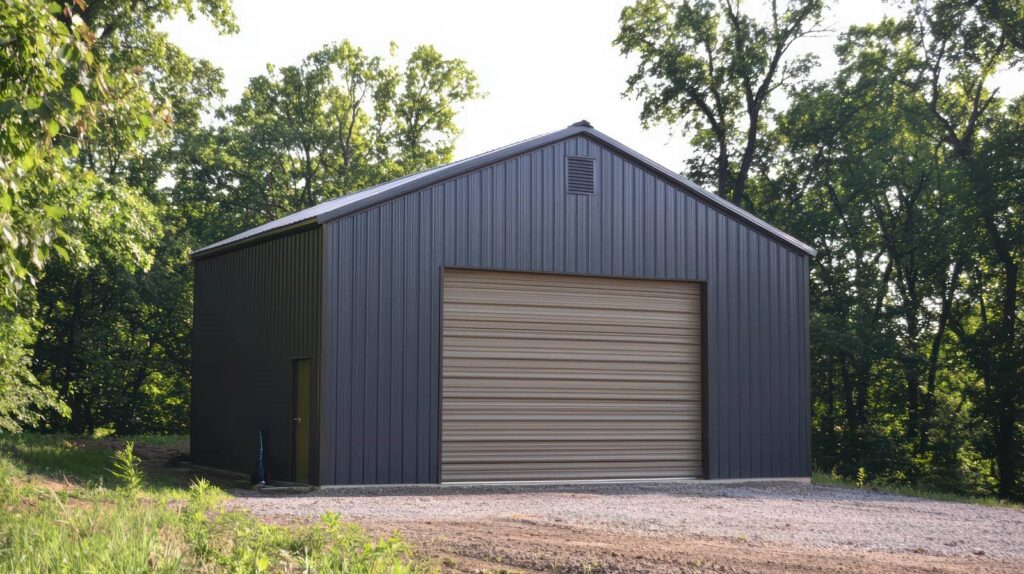
If you’re exploring cost-effective solutions for industrial needs, budget-friendly metal buildings might be the answer. These structures offer durability and quick assembly, saving you time and money. With various types and customization options, you can tailor them to fit your specific requirements. But what factors influence their cost, and how do they stack up against traditional buildings? Understanding these aspects can help you make an informed decision for your business.
Key Takeaways
- Prefabricated metal buildings offer quick assembly and reduced labor costs, making them a budget-friendly option for industrial projects.
- Clear-span designs maximize usable space without internal columns, enhancing functionality and cost-effectiveness for various industrial applications.
- Utilizing eco-friendly materials in construction supports sustainability efforts while maintaining affordability for budget-conscious businesses.
- Flexible customization options allow businesses to tailor layouts and sizes to specific operational needs without significant additional costs.
- Financing options like specialized commercial lenders and government programs can help manage upfront costs for metal building projects.
Advantages of Metal Buildings for Industrial Applications
When you consider options for industrial applications, metal buildings stand out due to their durability and cost-effectiveness. One of the key advantages is their sustainability benefits.
Metal structures are often made from recycled materials and can be fully recycled at the end of their lifespan, minimizing waste. This aligns with growing environmental consciousness, allowing your business to contribute positively to sustainability efforts.
Moreover, you’ll appreciate the design flexibility that metal buildings offer. You can customize layouts and sizes to meet specific operational needs without sacrificing structural integrity.
This adaptability makes it easier for you to expand or reconfigure as your business evolves, ensuring you won’t outgrow your facility too quickly.
Factors Influencing the Cost of Metal Structures
While several factors can influence the cost of metal structures, understanding these elements is essential for budgeting effectively. You’ll want to reflect on the following:
Design Considerations: The complexity of your design can greatly affect costs. More intricate designs often require more materials and labor.
Material Choices: The type of metal you choose impacts price. Steel, for example, varies in grade and cost, influencing your overall budget.
Size and Scale: Larger structures generally mean higher costs due to increased material and labor needs.
Location and Site Preparation: Costs can vary based on location, site accessibility, and any necessary groundwork, which can add to the overall expense.
Types of Budget-Friendly Metal Buildings
As you explore options for budget-friendly metal buildings, consider several popular types that can meet your needs without breaking the bank.
One effective choice is the prefabricated metal building. These structures are manufactured off-site, allowing for quicker assembly and lower labor costs. They’re particularly appealing because they often come with eco-friendly materials, reducing your environmental footprint while saving money.
Another type worth considering is the clear-span building. This design maximizes usable space without internal columns, making it ideal for industrial activities.
You’ll also find arch buildings, which provide excellent durability and can withstand harsh weather conditions, ensuring your investment lasts.
Lastly, portable metal buildings offer flexibility, allowing you to relocate as needed. This adaptability can be a significant advantage for businesses that may change locations.
Customization Options for Industrial Metal Buildings
Taking into account your specific operational needs, customization options for industrial metal buildings can greatly enhance functionality and efficiency.
With custom design features, you can create a space tailored to your business. Here are four key customization options to evaluate:
Layout: Adjust the internal configuration to facilitate workflow and optimize space.
Size: Choose dimensions that fit your specific equipment and operational requirements.
Insulation: Select insulation options that enhance energy efficiency and maintain a comfortable environment.
Exterior Finishes: Opt for colors and materials that improve aesthetic appeal and reflect your brand identity.
Maintenance Tips for Longevity and Cost Savings
To ensure the longevity and cost-effectiveness of your metal building, regular maintenance is essential. Start by establishing a maintenance schedule that outlines routine inspections, ideally every six months.
Check for signs of rust, corrosion, or damage, especially in areas exposed to the elements. Cleaning the exterior and ensuring proper drainage will help prevent moisture buildup, which can lead to costly repairs.
When repairs are necessary, use effective repair techniques that suit the specific material of your building. For instance, patching small areas of rust with appropriate sealants can extend the life of your structure.
Don’t forget to maintain the roofing system, as leaks can cause significant damage over time. By staying proactive with these maintenance schedules and repair techniques, you’ll enhance the durability of your metal building and save money in the long run, ensuring your investment pays off.
Comparing Metal Buildings to Traditional Structures
When you compare metal buildings to traditional structures, you’ll notice significant differences in cost efficiency, durability, and construction time.
Metal buildings often come with lower initial costs and require less maintenance over time, making them a budget-friendly option.
Additionally, their quicker assembly can reduce labor costs and project timelines.
Cost Efficiency Analysis
Metal buildings often prove to be considerably more cost-efficient than traditional structures, primarily due to their lower initial construction costs and reduced maintenance expenses.
When you analyze the cost breakdown, you’ll find several key efficiency metrics that highlight these benefits:
Lower Material Costs: Metal is often cheaper and requires less labor to install.
Reduced Energy Expenses: Insulated metal buildings maintain temperature better, lowering heating and cooling costs.
Minimal Maintenance: Metal structures resist rot, pests, and weather damage, decreasing long-term upkeep.
Faster Construction Times: Quick assembly means you can start operations sooner, maximizing your investment.
Durability and Longevity
While traditional structures may require frequent repairs and replacements due to wear and environmental damage, metal buildings stand out for their exceptional durability and longevity.
Their inherent metal strength provides a solid foundation, making them resistant to common issues like rot, mold, and pests. This resilience translates to lower maintenance costs over time, allowing you to focus on your operations rather than repairs.
Additionally, metal buildings excel in weather resistance, enduring harsh conditions without compromising structural integrity. Whether facing heavy snow, strong winds, or extreme temperatures, you can trust that your metal building will withstand the elements.
Investing in a metal structure means choosing reliability and peace of mind, ensuring your industrial needs are met for years to come.
Construction Time Comparison
In just a fraction of the time it takes to construct traditional buildings, you can have a metal structure up and running.
Metal buildings offer remarkable construction speed that can considerably shorten your project timelines. Here’s how:
Pre-engineered Components: They come prefabricated, reducing on-site assembly time.
Fewer Labor Hours: Less manpower is needed due to simplified construction processes.
Quick Foundation Work: Minimal site preparation allows for faster foundation installation.
Weather Resistance: Metal structures can withstand adverse conditions, minimizing delays.
Choosing metal buildings means quicker occupancy, enabling you to start operations sooner.
With efficiency at the forefront, you’ll enhance your project’s success while fostering a sense of community among your team.
Financing Options for Affordable Metal Solutions
Finding financing options for affordable metal solutions can greatly ease the burden of your investment. Understanding various financing strategies is key to making informed decisions. You might explore traditional loan options through banks or credit unions, which often provide competitive interest rates and flexible terms.
Additionally, consider specialized lenders that focus on commercial construction; they can offer tailored solutions that fit your specific needs.
Another option is leasing, which allows you to use the building without the upfront costs of ownership. This can be particularly useful if your cash flow is limited.
Don’t forget about government programs that support industrial projects; they often provide grants or low-interest loans to help you get started.
strial needs while providing tangible benefits, confirming their value in today’s market.
Frequently Asked Questions
How Long Does It Take to Construct a Metal Building?
Constructing a metal building typically takes between a few weeks to several months, depending on the project’s complexity. Factors like design, size, and weather conditions can affect the overall construction timeline and project duration.
Are Permits Required for Metal Building Installation?
Yes, permits are required for metal building installation. You’ll need to check local regulations for specific permit types and installation guidelines. Isn’t it better to ensure compliance rather than face potential fines later?
Can Metal Buildings Withstand Extreme Weather Conditions?
Yes, metal buildings can withstand extreme weather conditions. Their structural integrity ensures durability and excellent weather resistance, making them ideal for harsh environments. You’ll find peace of mind knowing your investment is built to last.
What Are the Common Uses for Metal Buildings in Industry?
Where there’s a will, there’s a way.” Metal buildings commonly serve as warehouse storage and manufacturing facilities. Their durability and flexibility make them ideal for various industrial applications, supporting your operational needs effectively and efficiently.
How Do I Choose the Right Contractor for Metal Building Construction?
To choose the right contractor for metal building construction, assess contractor qualifications, verify experience, check references, and ensure they can meet your project timelines. A well-qualified contractor fosters trust and ensures successful project completion.
Wrap-Up
Budget-friendly metal buildings are a smart choice for industrial needs, combining durability and cost savings. These significant savings, coupled with their quick assembly and sustainability benefits, make them an attractive option for businesses looking to optimize their operations. By investing in a metal building, you’re not just saving money; you’re also making a responsible choice for the environment.