
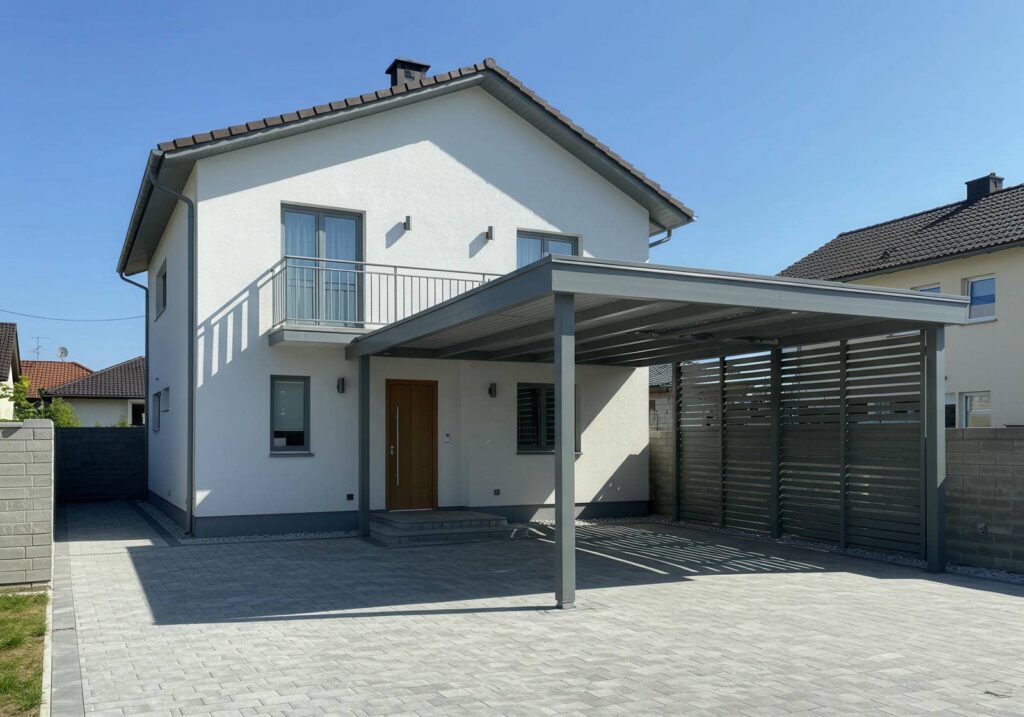
Installing a metal carport can protect your vehicle from harsh weather, as seen in many homes across suburban areas. To achieve a successful installation, you need to take into account various factors, from choosing the right location to understanding local building codes. Each step is essential, and missing one could lead to issues down the line. So, what’s the best way to navigate this process effectively?
Key Takeaways
- Choose a suitable location considering sunlight, wind direction, and accessibility for optimal vehicle protection and maintenance.
- Research local building codes and obtain necessary permits to ensure compliance and avoid fines.
- Accurately measure your available space and select a metal carport design that accommodates your vehicle and storage needs.
- Prepare the site by leveling the ground and implementing effective drainage solutions to prevent water accumulation.
- Regularly maintain your metal carport by inspecting for wear, preventing rust, and cleaning debris to ensure longevity.
Choosing the Right Location for Your Carport
When you’re deciding where to install your metal carport, it’s essential to take into account factors like accessibility, drainage, and local regulations.
Start by evaluating sunlight exposure; positioning your carport to minimize direct sunlight can protect your vehicle from heat and UV damage.
Consider the wind direction as well; placing your carport in a sheltered area can enhance its durability against strong winds.
Additionally, make certain that the site is easily accessible for parking and maintenance.
Check for any nearby trees or structures that could obstruct sunlight or block airflow.
Understanding Local Building Codes and Permits
Before you start your metal carport installation, it’s important to understand the local building codes and permit requirements that apply to your area.
These regulations can vary significantly, so be sure to check your local zoning regulations to ensure compliance. You’ll need to identify if your project requires a permit, which often involves filling out permit applications detailing your plans.
Failing to adhere to these codes can lead to fines or issues with future property sales. Connect with your local building authority or planning department for guidance—they’re there to help you navigate the process.
Understanding these aspects ensures a smooth installation and fosters a sense of community responsibility in maintaining the integrity of your neighborhood.
Selecting the Appropriate Size and Design
When selecting the appropriate size and design for your metal carport, start by measuring your available space to ensure a proper fit.
Consider various carport styles that suit your aesthetic preferences and functionality.
Finally, assess your vehicle and equipment needs to determine the dimensions and layout that best accommodate them.
Measuring Available Space
To ensure your metal carport fits seamlessly into your property, you need to accurately measure the available space.
Start by determining the space dimensions where you plan to install the carport. Use measurement techniques like a tape measure to get precise readings of width, length, and height.
Remember to account for any nearby structures, trees, or fences that might affect the installation. It’s also wise to leave extra room for access and maintenance.
Take multiple measurements to confirm accuracy, and jot them down for reference. This careful planning will help you select the right carport size and design, ensuring it complements your property while providing the functionality you need.
Carport Style Options
Choosing the right carport style is essential for ensuring it meets both your aesthetic preferences and practical needs. You’ll want to contemplate various options, including modern designs and traditional styles.
Modern designs often feature sleek lines and minimalist elements, ideal for contemporary homes, while traditional styles can complement classic architecture with gabled roofs and ornate details.
When selecting a style, think about how it’ll look with your home and the surrounding landscape. You should also reflect on your community’s architectural norms, as fitting in can enhance your property’s value.
Vehicle and Equipment Needs
Selecting the right size and design for your carport hinges on your vehicle and equipment needs.
First, consider the dimensions of your vehicles – whether you have compact cars, trucks, or SUVs, make certain your carport accommodates them comfortably.
Next, think about the equipment you need to store, such as lawnmowers, bicycles, or tools. Opt for a design that provides adequate vehicle protection while also allowing for organized equipment storage.
Additionally, consider height clearance for taller vehicles or attachments. A well-chosen carport protects your investments and enhances your property’s functionality and aesthetic appeal.
Measure your space carefully, and consult with professionals if needed to make sure you select the perfect fit for your lifestyle.
Preparing the Ground and Site
Before installing your metal carport, you need to assess the site for ideal conditions.
Consider factors such as site selection, ground leveling techniques, and effective drainage solutions to ensure a stable foundation.
Proper preparation will enhance the durability and functionality of your carport.
Site Selection Criteria
When it comes to installing metal carports, the right site selection is essential for ensuring stability and longevity.
Start by evaluating site accessibility; you want a location that’s easy to reach for both vehicles and equipment. Consider the traffic flow around the area; a well-planned site allows for smooth vehicle movement and minimizes congestion during loading or unloading.
Avoid areas with overhanging branches or potential flooding risks, as these can impact your carport’s integrity. Additionally, think about proximity to other structures and utilities, which can affect your carport’s functionality.
Ground Leveling Techniques
After choosing the right site for your metal carport, the next step is preparing the ground through effective leveling techniques. A properly leveled surface ensures stability and longevity for your carport.
Here are some essential techniques to take into account:
- Assess the ground slope: Identify any uneven areas that need attention.
- Use leveling tools: Tools like a laser level or a carpenter’s level help you achieve precision.
- Excavate as needed: Remove high spots and fill in low areas to create a flat surface.
- Compact the soil: Use a compactor to ensure the ground is solid and won’t shift over time.
Drainage Considerations
Effective drainage is essential for your metal carport’s longevity, as poor water management can lead to structural issues over time.
Start by evaluating the land’s slope; it should direct water runoff away from your carport. Installing proper drainage systems, such as French drains or gutters, can greatly reduce water accumulation.
Make certain the ground around the carport is compacted and graded to facilitate this runoff. Additionally, consider landscaping features like swales or rain gardens to further manage excess water.
Regularly inspect these systems to verify they’re functioning correctly, preventing potential damage.
Gathering Essential Tools and Materials
To successfully install a metal carport, you’ll need to gather a few essential tools and materials. Proper tool selection is vital, so consider these tool selection tips:
- Wrenches: Adjustable wrenches for nuts and bolts.
- Drill: A power drill for easy assembly.
- Level: A level ensures your carport is straight and secure.
- Safety Gear: Don’t forget gloves and goggles for protection.
For material recommendations, verify you have all the necessary screws, anchors, and brackets.
Check your carport kit to confirm you have everything before starting the installation.
Assembling the Metal Carport Frame
As you begin assembling the metal carport frame, it’s crucial to follow the manufacturer’s instructions closely to ensure a secure and stable structure.
Start by laying out all the components, ensuring you have everything you need. Begin with the base rails, anchoring them firmly to the ground.
Next, attach the vertical support beams, ensuring proper frame alignment. Use a level to confirm everything is straight and adjust as necessary.
It’s essential that the support beams are securely connected to maintain structural integrity. After securing the beams, double-check all connections for tightness.
Installing the Roof and Panels
With the frame securely assembled, you can now focus on installing the roof and panels. This step is essential for ensuring your carport’s durability and functionality.
Here are some roof installation techniques and panel alignment tips to help you along the way:
- Start from one end: Begin at one side of the carport and work your way across for consistency.
- Use the right fasteners: Confirm you have the correct screws or bolts for a secure fit.
- Check for level: Make sure each panel is aligned and level before securing it in place.
- Seal joints: Don’t forget to seal any joints to prevent leaks.
Following these steps will make your installation smoother and more effective. Good luck!
Securing the Carport to the Ground
Once you’ve installed the roof and panels, it’s essential to secure the carport to the ground to ensure stability and safety.
You can achieve this by selecting suitable anchoring methods based on your soil type and local weather conditions. For concrete surfaces, use concrete anchors to confirm a solid hold. If you’re working with dirt or gravel, consider using rebar stakes or mobile anchors for effective ground stability.
Always make certain to follow the manufacturer’s guidelines for the best results, as proper installation prevents shifting and potential damage.
Securing your carport protects your vehicle and fosters a sense of community by ensuring that your structure won’t be a hazard to your neighbors.
Adding Optional Features and Accessories
When installing your metal carport, consider adding optional features and accessories to enhance its functionality.
Popular choices include side panels, insulation, and additional storage options, which can be customized to suit your needs.
These enhancements improve usability and increase the overall value of your carport.
Popular Accessory Options
What features can you add to enhance your metal carport? By incorporating popular accessories, you can make your space more functional and appealing.
Here are some great options to evaluate:
- Carport lighting options: Improve visibility during night hours, making it easier to access your vehicle or equipment.
- Storage solutions: Add shelves or cabinets to keep tools and outdoor gear organized and accessible.
- Gutters and downspouts: Direct rainwater away from your carport, preventing water damage.
- Side walls or panels: Increase privacy and protection from wind and debris, creating a more enclosed environment.
These enhancements boost your carport’s usability and reflect your personal style, creating a welcoming space you can enjoy.
Customization for Functionality
Customization is key to maximizing the functionality of your metal carport. By selecting custom color options, you enhance its appearance and allow it to blend seamlessly with your property.
Consider adding functional add-ons such as side panels, roll-up doors, or skylights. These features can improve accessibility, provide extra storage space, or enhance natural lighting.
If you plan to use the carport for specific activities, think about incorporating insulation or ventilation systems for comfort. Each choice you make should reflect your needs and lifestyle, ensuring that your carport serves its intended purpose effectively.
Tailoring these elements can transform your carport into a valuable extension of your home, increasing both utility and aesthetic appeal.
Maintenance Tips for Longevity
To ensure your metal carport lasts for many years, regular maintenance is essential. By taking a proactive approach, you can enhance its durability and appearance.
Here are some key tips:
- Conduct regular inspections: Check for signs of wear or damage at least twice a year.
- Focus on rust prevention: Apply a rust-inhibiting primer and paint when needed, especially in humid environments.
- Clean debris regularly: Remove leaves, dirt, and snow to prevent moisture buildup, which can lead to corrosion.
- Tighten bolts and screws: Ascertain all fasteners are secure to maintain structural integrity and prevent sagging.
Frequently Asked Questions
How Long Does It Typically Take to Install a Metal Carport?
The installation time for a metal carport usually ranges from a few hours to a day, depending on your project’s complexity. Proper planning can help you minimize the project duration and achieve efficient results.
Can I Install a Carport on a Sloped Surface?
Yes, you can install a carport on a sloped surface. However, consider drainage considerations to prevent water accumulation. Properly sloped installation techniques ensure stability and longevity, making your carport both functional and aesthetically pleasing.
What Type of Foundation Is Best for a Metal Carport?
A concrete slab foundation is best for a metal carport, providing stability and durability. Alternatively, you can use compacted gravel or asphalt. Always follow installation tips for proper anchoring to ensure safety and longevity.
Do Metal Carports Require Regular Maintenance?
Sure, metal carports don’t need constant pampering, but you should check ’em regularly. Maintenance frequency is key! A little rust prevention goes a long way in keeping corrosion at bay and your carport looking sharp.
Are There Financing Options Available for Purchasing a Carport?
Yes, there are financing options available for purchasing a carport. Many suppliers offer flexible payment plans, allowing you to manage costs effectively while ensuring you get the carport you need without financial strain.
Summary
By choosing the right location, understanding local codes, and selecting the right design, you’re laying the groundwork for success. By preparing the site, gathering tools, and installing securely, you’re ensuring stability and durability. By adding features and committing to maintenance, you’re enhancing usability and extending lifespan. Ultimately, a well-installed metal carport protects your vehicle and adds value to your property, making it a wise investment for years.