
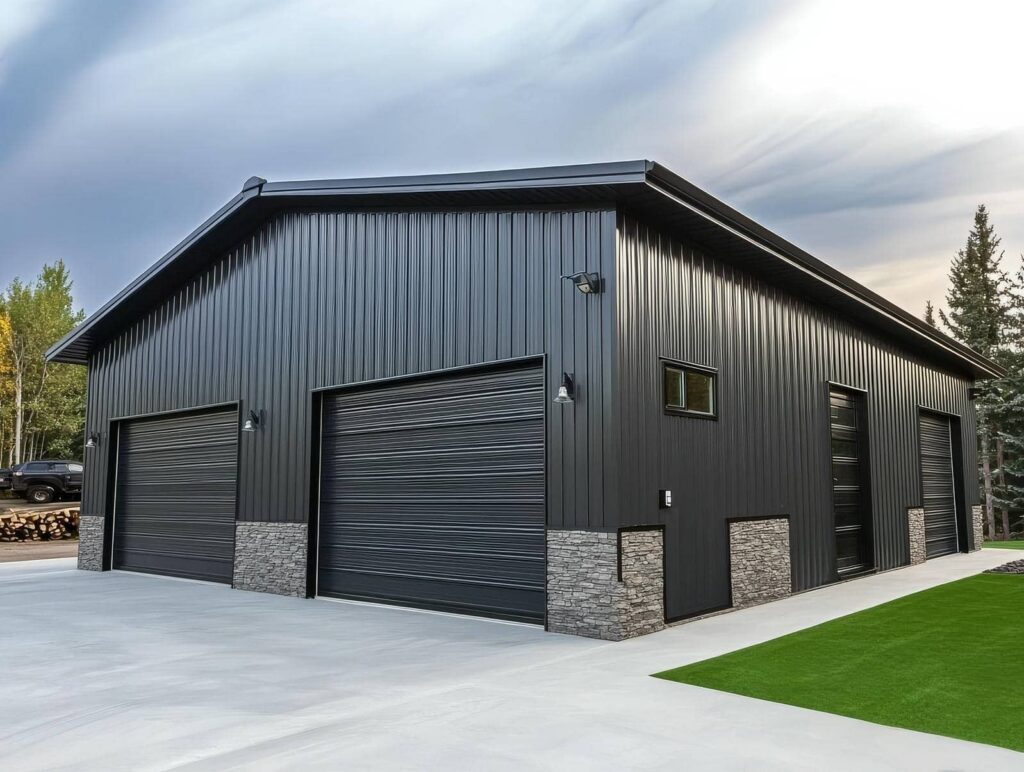
When you store equipment in a heavy-duty sheds, you’re not just adding space; you’re controlling exposure, load demands, and security risks. The right structure has to handle weight, resist corrosion, and stay stable through harsh weather. Size, layout, access points, and ventilation all affect performance, and one weak detail can shorten the shed’s useful life. The key question is which design choices actually protect your machinery over time.
Key Takeaways
- Heavy-duty sheds provide reinforced framing, corrosion resistance, and strong weather protection for secure equipment storage.
- Measure equipment carefully and leave 12–24 inches of clearance on all sides for safe access and maneuverability.
- Choose durable materials, insulation, and tight-fitting doors to control moisture, condensation, and temperature swings.
- Plan door size, floor strength, ventilation, and anchoring to support heavy machinery and resist uplift and shear.
- Maintain sheds with regular inspections, lubrication, and repairs to preserve safety, load capacity, and long-term durability.
Understand Why Heavy-Duty Sheds Matter
When you need to store expensive equipment, a heavy-duty shed matters because it provides the structural strength, weather resistance, and security that standard storage units often lack.
You get heavy duty benefits through reinforced framing, corrosion-resistant panels, and durable hardware that reduce failure points under load and exposure. That design helps you protect tools, machinery, and attachments from theft, moisture, and impact damage.
You also gain shed longevity because quality materials and tighter construction slow wear, limit maintenance, and preserve performance across seasons.
If you value reliable storage, you’re choosing a system built for demanding conditions and shared standards of care. In practice, that means you can trust the shed to support your equipment and your workflow with less risk.
Choose the Right Shed Size
Start by measuring each piece of equipment precisely, including height, width, and length, so you can match the shed’s internal dimensions to your load.
Add clearances for access, ventilation, and safe maneuvering, because tight fits can restrict use and increase damage risk.
Then factor in future storage needs, since an undersized shed can limit expansion and force costly upgrades later.
Measure Equipment Dimensions
Before you choose a heavy-duty shed, measure each piece of equipment in its fully stored configuration, including attachments, handles, mirrors, and any parts that extend beyond the main frame.
Record length, width, and height for every item, then compare those figures across your equipment types. This gives you a reliable baseline for selecting storage solutions that match your fleet.
Use a tape measure and note the largest dimension on each axis, because one oversized machine can determine the shed model you need.
List every unit together, so you can see patterns in space demands and identify where your inventory fits best.
When you measure carefully, you join other owners who spec sheds with confidence, precision, and a clear operational plan for long-term storage performance.
Allow Clearance Space
Add at least 12 to 24 inches of clearance on every side of your largest equipment so you can move it in, out, and around the shed without friction or impact.
You also need enough clearance height for raised handlebars, roll bars, and lifted attachments, so verify the tallest operating position, not just the parked one.
This buffer improves space optimization by preserving access pathways and reducing contact points that slow handling.
When you plan for equipment maneuverability, you gain storage efficiency because each item fits cleanly into its zone.
That extra margin also supports layout flexibility, letting you align machines, shelves, and work zones with less constraint.
You’ll belong to a safer, more organized setup when your shed size respects precise movement, not tight fit.
Plan Future Storage
When you choose a shed size, account for tomorrow’s equipment, not just today’s inventory. You should map likely additions over the next five years, including attachments, seasonal tools, and replacement machines.
Measure floor area, wall height, and door width against those future needs, then add margin for circulation and maintenance access. If you expect growth, select storage solutions with modular bays or wider spans so you don’t outgrow the structure early.
You’ll reduce congestion, protect equipment, and streamline loading. In a strong equipment-storage community, the right capacity signals planning discipline and shared standards.
Verify load ratings, foundation requirements, and ventilation before you commit. A properly sized shed gives you room to scale, keeps operations efficient, and supports long-term value without forcing costly expansion later.
Pick Durable Shed Materials
Choose shed materials that can withstand sustained load, moisture, temperature swings, and impact if you need reliable equipment storage. You’ll usually compare wood vs. metal by checking structural stiffness, corrosion resistance, and maintenance burden.
Metal panels give you high strength-to-weight performance and predictable dimensions, while treated lumber offers easier field repair and a warmer interior. If your tools sit through seasonal extremes, consider shed insulation as part of the material package, because it moderates condensation and protects sensitive components.
You should also verify fastener compatibility, coating quality, and panel thickness, since those factors affect long-term durability. Pick materials that fit your crew’s workflow, climate, and budget so your storage space feels dependable, organized, and built for the same standards you expect from your equipment.
Plan Doors, Floors, and Ventilation
You should size the door layout to match your largest equipment, accounting for swing clearance, track path, and access width.
You need a floor system with sufficient load capacity for point loads and concentrated machine weight. You should verify slab thickness, reinforcement, and subgrade support.
You also need controlled ventilation to limit moisture buildup, reduce corrosion, and maintain stable internal conditions.
Door Layout Options
Door placement should match the equipment’s turning radius, access frequency, and loading path, so the shed opens where traffic enters and exits most efficiently.
You’ll get cleaner workflow when you compare these accessibility options:
- sliding doors for tight side clearances
- double doors for wide implements
- roll up doors for vertical lift and fast access
- barn style doors for simple, robust operation
Select door materials that resist impact and align with your security features, especially if you store high-value equipment.
You should position openings to reduce maneuvering time, then verify that the hardware supports daily use.
When you choose door placement deliberately, you join a group of owners who treat access as a performance variable, not an afterthought.
Floor Strength And Ventilation
A heavy-duty shed needs a floor system that can carry concentrated wheel loads, point impacts, and repeated traffic without deflection or cracking. Therefore, the slab, subbase, and reinforcement all need to match the heaviest machine you’ll store.
You should specify floor materials with verified compressive strength, abrasion resistance, and joint spacing that controls movement. A compacted granular base improves drainage and load transfer, while vapor barriers reduce moisture intrusion.
If you keep fuel, batteries, or fertilizer inside, add sealed coatings for chemical resistance. Your ventilation systems should move humid air out and pull fresh air in at opposite walls or ridge openings.
That balance limits condensation, protects steel, and keeps your crew working in a safer, drier space that feels built for real equipment owners.
Customize the Shed Layout
Start by mapping the shed around the largest and most frequently used equipment so every square foot serves a defined purpose. You’ll create a layout that supports your workflow and keeps you aligned with a practical, pro-grade standard.
Use a modular design to reserve clear lanes, then add custom shelving where smaller tools need fast access.
- Place high-mass items near the entrance for efficient loading.
- Group compatible tools by task sequence.
- Keep aisle widths consistent for safe movement.
- Zone the wall space for vertical storage and labels.
This approach reduces handling time and supports a shared system you can trust.
When you arrange storage by function, you’re not improvising—you’re building a disciplined workspace that fits your team’s habits and your equipment’s dimensions.
Protect Equipment From Weather
Weather exposure can shorten the service life of machinery fast, so you’ll need a shed envelope that keeps moisture, heat, and dust under control.
Choose weather resistant materials for wall panels, roofing, and trim so rain, UV, and wind-driven debris don’t degrade the structure. Seal joints, flash openings, and specify tight-fitting doors to reduce infiltration that can corrode metal, warp finishes, and contaminate filters.
Your climate considerations should drive insulation value, vapor control, and reflective roofing, because hot, humid, and freeze-thaw zones stress equipment differently.
Add gutters and graded drainage to move water away from the base, and inspect seals regularly.
When you build with these details, you join owners who protect assets with disciplined, measurable environmental control.
Install and Anchor the Shed
Set the shed on a level, compacted base and verify square before you fasten any structural members. You’ll protect your team’s investment by matching the shed foundation to the load path and local soil conditions.
Use precise anchoring techniques to resist uplift, shear, and lateral drift.
- Check diagonal measurements for true square.
- Align floor joists with foundation anchors.
- Tighten fasteners to the specified torque.
- Inspect hold-down points for full seat contact.
You belong to a group that builds for reliability, so confirm every connection before you enclose the frame.
Drive anchors to the required depth, then test for movement with steady side pressure. If anything shifts, correct it now; accuracy here keeps the structure stable under heavy equipment loads and wind.
Maintain the Shed for Long-Term Storage
With the shed anchored and square, you now need a maintenance routine that preserves its load capacity and protects stored equipment over time.
Inspect fasteners, seams, and panels monthly, then tighten, seal, or replace parts before minor defects spread. Check the roof after storms for deflection, water intrusion, and debris that can overload framing.
Keep the floor dry, level, and clear so you maintain stable access paths and reduce corrosion risk. Use shed organization to separate heavy tools from sensitive gear, and label zones so everyone returns items consistently.
Lubricate hinges, test locks, and verify ventilation to control condensation. In routine maintenance, document findings, track wear patterns, and schedule repairs early.
When you treat upkeep as shared practice, your storage community stays efficient, safe, and durable.
Frequently Asked Questions
What Permits Are Needed for a Heavy-Duty Equipment Shed?
You’ll usually need zoning regulations approval, a building permit, and sometimes electrical or foundation permits. You should confirm setbacks, height limits, and load requirements with your local building department before you install anything.
Can Heavy-Duty Sheds Be Moved After Installation?
Yes, you can move heavy-duty sheds after installation, but many require partial disassembly. You’ll want to review shed relocation options and installation considerations first, so you stay confident, informed, and part of the right community.
How Much Does Insurance Cost for Shed-Stored Equipment?
Insurance for shed-stored equipment varies widely; you’ll usually pay $15–$60 monthly. Your insurance types, coverage limits, deductible, equipment value, and theft risk drive rates, so you’ll want quotes tailored to your setup.
Are Heavy-Duty Sheds Suitable for Electric Vehicle Charging?
Yes, if you verify electric vehicle compatibility and complete charging station installation, you can use a heavy-duty shed safely. You’ll need adequate ventilation, load-bearing flooring, grounding, and code-compliant electrical service for reliable charging.
What Security Upgrades Deter Theft in Equipment Sheds?
You can deter theft with reinforced doors, security lighting, keyed deadbolts, and alarm sensors. Add tamper-resistant hinges, motion alerts, and visible cameras so you’ll strengthen access control, improve deterrence, and keep your equipment community safer.
Final Thoughts
When you choose a heavy-duty shed, you’re basically giving your equipment a fortress with a roof. You’ve picked the right size, durable materials, smart doors, solid flooring, and ventilation that actually works. You’ve also planned the layout, blocked weather, anchored the structure, and stayed on top of maintenance. Do that, and your tools and machinery won’t just survive—they’ll look absurdly protected, like they’re waiting for a parade instead of storage.