If you need reliable equipment storage, a metal shed gives you strength, security, and low upkeep in one structure. You can protect tools, lawn gear, and farm machinery from weather, pests, and theft without adding much maintenance. The real question is how to match the shed’s size, layout, and features to what you store now and what you’ll add later. That choice can change everything.
Key Takeaways
- Metal sheds provide durable, weather-resistant storage that protects equipment from rust, pests, and theft.
- Choose a size that fits current equipment, allows walkways, and leaves room for future additions.
- Pre-engineered steel sheds with wide doors and clear-span interiors work well for farm and lawn equipment.
- Look for galvanized panels, sealed fasteners, ventilation, and reinforced framing to protect stored items.
- Custom layouts improve safety and organization with dedicated zones, secure locks, and efficient access.
Why Metal Sheds Work for Equipment Storage
Metal sheds work well for equipment storage because they give you a strong, low-maintenance enclosure that protects tools and machinery from weather, pests, and theft.
You get durability benefits from steel or aluminum frames that resist impact and corrosion, so your gear stays ready longer. Their cost effectiveness comes from long service life and lower repair needs, which helps your budget.
You can choose security features like reinforced doors, locking points, and tamper-resistant hardware to keep your team’s assets safer.
Ventilation options reduce condensation and help protect sensitive equipment. Simple maintenance tips, like inspecting seams and clearing debris, keep performance high.
With design flexibility, you can fit shelving, ramps, and partitions to match your workflow and feel confident in your setup.
How to Size a Metal Shed for Your Equipment
Once you’ve chosen a durable, low-maintenance shed, the next step is getting the size right for the equipment you plan to store. Measure each item, then add clearance for doors, walkways, and safe movement around shelves or carts.
Your shed dimensions should match both current tools and future additions, so you won’t outgrow the space too soon. Sketch a simple floor plan and group similar items to improve equipment organization.
Leave enough vertical room for taller gear and overhead storage, but don’t waste square footage on unused height. Check entry width before you buy, especially if you’ll roll in bulky items.
A well-sized shed helps you stay organized, reduce clutter, and work with confidence in a space that fits your routine.
Best Metal Sheds for Farm and Lawn Equipment
For farm and lawn equipment, you want a metal shed that balances clear-span space, wide entry access, and dependable weather protection.
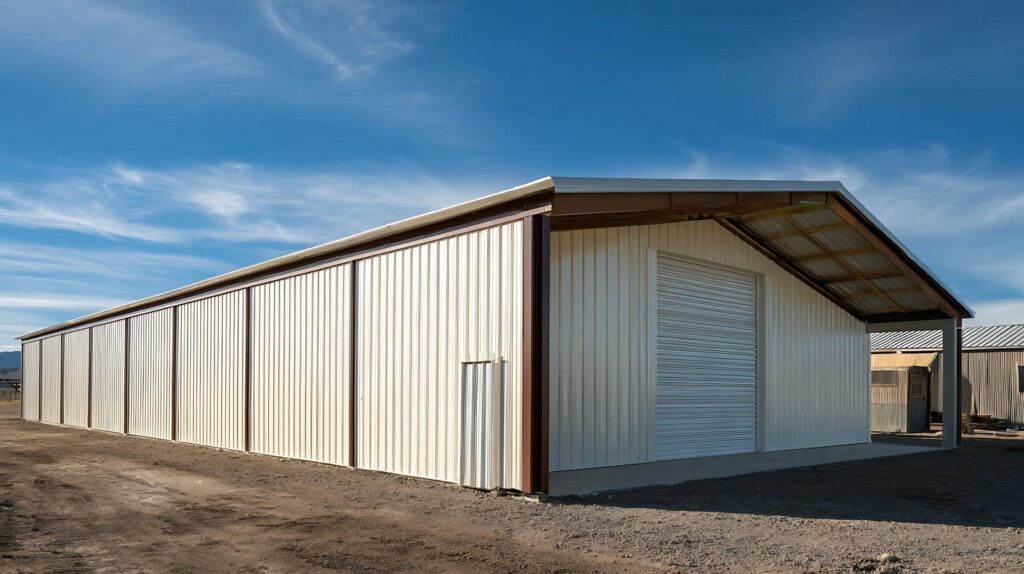
Choose a pre-engineered steel model with enough height for riding mowers, tractors, sprayers, and attachments. A wide roll-up door helps you move gear in and out fast, while straight wall lines let you park efficiently and keep aisles open.
Galvanized panels and rigid framing give you durability benefits that matter through heavy use and seasonal storage. You’ll also fit better with your crew when the layout feels organized and easy to work in.
Follow simple maintenance tips: inspect fasteners, clean debris, and touch up scratches early. That keeps your shed ready for another busy season.
Metal Shed Features That Protect Equipment
To protect equipment from rust, impact, and weather intrusion, choose a shed with galvanized steel panels, tight panel seams, and a roof profile that sheds water quickly.
You’ll also want reinforced framing and a corrosion-resistant finish, because those features add real durability benefits in demanding conditions.
Look for sealed fasteners and raised thresholds to help keep splashback and dust out.
Good ventilation options matter, too: ridge vents or louvered openings reduce condensation, which protects engines, blades, and hand tools from moisture damage.
A smooth interior layout with minimal exposed edges helps you move gear safely and keep the space organized.
When you pick these features, you’re joining owners who expect their storage to work hard, stay dry, and last.
Custom Metal Sheds for Safer Storage
Custom metal sheds can improve safety when you match the layout to the way you store and move equipment. You can choose custom designs that add wider aisles, stronger shelving, and dedicated zones for fuel, cords, and tools.
That setup cuts clutter and helps you avoid trips, dents, and lost parts. Add secure locking points, non-slip flooring, and clear sightlines so your crew can work with confidence.
Good weather resistance also matters, because sealed seams, coated panels, and raised thresholds keep moisture and debris out.
When you tailor the shed to your workflow, you get safer access, better organization, and a space that feels built for your team.
Frequently Asked Questions
How Long Does a Metal Shed Typically Last Outdoors?
You can expect a metal shed to last 15–30 years outdoors, depending on durability factors like coating, maintenance, and climate. Strong weather resistance helps you protect it, and you’ll belong among owners who plan ahead.
Do Metal Sheds Require Permits in Residential Areas?
Yes—your shed’s footprint is a gatekeeper; many residential areas require permits. You should check zoning regulations and permit requirements before installation, because local codes can vary. You’ll fit in better, and avoid fines.
Can Metal Sheds Be Insulated for Climate Control?
Yes, you can insulate metal sheds using insulation materials and climate control techniques. You’ll reduce heat, condensation, and noise while creating a more comfortable space. Choose vapor barriers, sealed joints, and proper ventilation for lasting performance.
What Foundation Works Best Under a Metal Shed?
Concrete slabs suit you best; they deliver steady support, resist settling, and simplify anchoring. For smaller sheds, compacted gravel works if you level it well. Follow foundation types and installation tips to keep your build secure and shared.
How Often Should a Metal Shed Be Maintained?
You should maintain it twice yearly, and after storms. You’ll inspect seams, tighten fasteners, clean debris, check rust prevention, and verify ventilation options. That routine keeps your shed reliable, protected, and ready for your crew.
Recap
When you choose a metal shed for equipment storage, you’re not just getting a box—you’re getting a fortress. You keep tools dry, pests out, and theft on the outside looking in. With the right size, smart layout, and protective features, your gear stays organized and ready to work. Add custom options, and you’ve got storage that fits like a glove and performs like a champ, year after year, without constant upkeep.