
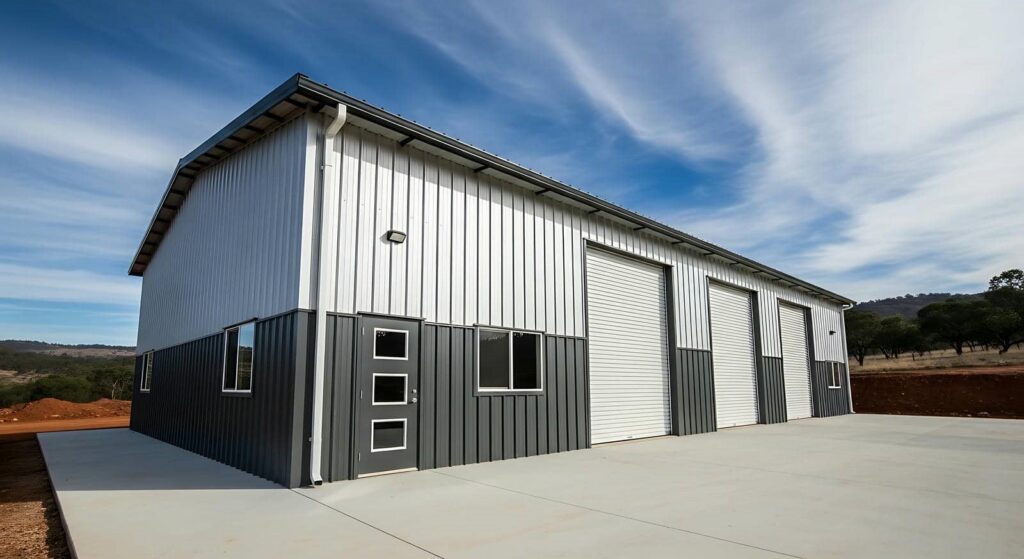
Sustainable approaches in metal warehousing operations can greatly impact both efficiency and bottom lines. By integrating energy-efficient lighting and renewable energy systems, you can minimize operational costs while promoting environmental responsibility. However, the journey doesn’t stop there; an all-encompassing strategy must encompass waste reduction, sustainable sourcing, and employee engagement. What innovative practices can you implement to create a more resilient and eco-friendly warehousing environment?
Key Takeaways
- Implement energy-efficient lighting solutions, such as LED technology, to reduce electricity consumption and enhance workspace productivity in metal warehousing operations.
- Source materials ethically from certified suppliers to minimize environmental impact and enhance the brand’s reputation within the metal industry.
- Establish robust recycling programs to manage metal waste effectively, encouraging employee participation and fostering a culture of sustainability.
- Utilize water conservation techniques, such as greywater recycling, to reduce water usage in warehousing operations and lower operational costs.
- Engage employees in sustainability initiatives and recognize their contributions to foster a culture that prioritizes eco-friendly practices in metal warehousing.
Energy Efficient Lighting Solutions
As you explore energy-efficient lighting solutions for metal warehousing, consider how these innovations not only reduce costs but also enhance operational efficiency. Implementing LED technology is a strategic move; these lights consume considerably less energy than traditional options, leading to substantial savings on electricity bills.
By collaborating with experts in this field, you can maximize your investment and ensure the lights are properly installed and maintained.
Additionally, consider integrating daylight harvesting systems. This approach allows you to utilize natural light, reducing your reliance on artificial lighting during the day.
It’s not just about cutting costs; it’s about creating a workspace that feels more inviting and productive. By prioritizing energy-efficient lighting, you foster a culture of sustainability within your organization, encouraging employees to feel part of a collective effort towards a greener future.
Together, you can achieve operational excellence while contributing to environmental stewardship.
Sustainable Material Sourcing
Sustainable material sourcing is essential for ensuring your metal warehousing operations align with environmental goals while maintaining quality and efficiency.
By focusing on ethical sourcing, you can enhance your brand’s reputation and foster a community of like-minded partners committed to sustainability. Collaborate with suppliers who hold green certification, as this indicates their commitment to environmentally-friendly practices.
Prioritize materials that have minimal environmental impact and are sourced from responsible manufacturers. This reduces your carbon footprint and supports fair labor practices and local economies.
Engaging in transparent supply chain management will strengthen relationships with your suppliers and customers alike, creating a sense of belonging within your industry.
Waste Reduction Strategies
Building on the foundation of sustainable material sourcing, implementing waste reduction strategies in metal warehousing can greatly enhance operational efficiency and environmental impact.
You can start by conducting waste audits to identify key areas where waste occurs. This data-driven approach allows you to pinpoint inefficiencies and tailor solutions that align with your team’s capabilities.
Next, consider establishing robust recycling programs. By collaborating with your staff, you can encourage participation and foster a culture of sustainability that everyone feels part of.
Streamlining processes minimizes waste while strengthening your team’s sense of purpose and belonging.
Additionally, embrace innovative technologies that facilitate waste tracking and management. Such tools empower you to make informed decisions and continuously improve your operations.
Water Conservation Techniques
While you may not always think about water usage in metal warehousing, implementing effective water conservation techniques can greatly reduce operational costs and environmental impact.
One strategic approach is rainwater harvesting. By installing collection systems, you can capture and utilize rainwater for non-potable uses, such as cooling systems or landscape irrigation. This conserves municipal water and lowers your utility bills.
Another effective method is greywater recycling. By reusing water from sinks or washing machines, you create a sustainable cycle that minimizes waste.
Collaboratively, your team can identify areas where greywater can be safely repurposed, fostering a culture of sustainability within your operation.
Renewable Energy Integration
Integrating renewable energy into your metal warehousing operations can greatly enhance both efficiency and sustainability. By strategically implementing solar panels and wind turbines, you can reduce reliance on conventional energy sources, ultimately lowering operational costs.
Collaborating with renewable energy experts can help you assess your site’s potential for these technologies, ensuring you choose the most effective solutions.
Solar panels can harness sunlight, converting it into electricity to power your facilities, while wind turbines can capitalize on local wind patterns. This dual approach reduces your carbon footprint while fostering a sense of community as you contribute to a greener future.
Engaging your team in this shift promotes a culture of sustainability, encouraging everyone to take ownership of their role in these efforts.
Together, you can create a warehouse that’s efficient and a leader in embracing renewable energy, showcasing your commitment to responsible operations.
Eco-Friendly Packaging Practices
As you consider your metal warehousing operations, adopting eco-friendly packaging practices can greatly reduce environmental impact while enhancing your brand’s reputation.
By integrating biodegradable materials into your packaging, you contribute to a healthier planet and attract environmentally conscious clients who value sustainability. Collaborating with suppliers who prioritize green materials can streamline this shift, creating a cohesive approach that resonates with your team and customers alike.
Additionally, implementing recyclable packaging helps minimize waste and encourages responsible disposal.
Consider establishing a take-back program, allowing customers to return used packaging for recycling. This strategy fosters a sense of community, as customers feel involved in your sustainability mission.
Ultimately, by prioritizing eco-friendly packaging, you position your warehousing operations as a leader in sustainability, appealing to a growing market that seeks companies committed to environmental stewardship.
Embrace these practices, and you’ll foster a collaborative environment that benefits both your business and the planet.
Green Transportation Options
To enhance the sustainability of your metal warehousing operations, exploring green transportation options is essential. Shifting to electric vehicle fleets can greatly reduce your carbon footprint while improving operational efficiency. By investing in electric vehicles, you’re cutting emissions and aligning with a growing industry trend that values eco-friendliness.
Additionally, implementing bike sharing programs for your employees creates a collaborative environment that encourages healthier commuting options. This initiative fosters a sense of community and belonging among your workforce while reducing traffic congestion and pollution.
Both strategies require a thoughtful approach, ensuring you engage with your team to determine the best fit for your operations. By prioritizing green transportation, you’re setting a strategic standard in the industry, showcasing your commitment to sustainability.
Together, these initiatives can transform your warehousing practices, making a positive impact on the environment and your organization’s reputation.
Employee Training and Engagement
To foster a culture of sustainability in your metal warehousing operations, implementing continuous learning programs is essential.
Engaging employees in these initiatives enhances their skills and incentivizes sustainable practices across the board.
Continuous Learning Programs
While fostering a culture of continuous learning is essential for employee engagement, it also drives innovation and efficiency in metal warehousing.
Implementing structured programs focused on employee development enhances individual skills and strengthens team collaboration. By encouraging skills enhancement through workshops, mentorship, and hands-on training, you create an environment where employees feel valued and supported.
This sense of belonging boosts morale and motivates everyone to contribute to the organization’s sustainable goals. Regular feedback and opportunities for growth will keep your workforce agile and adaptive, ready to tackle industry challenges.
Embracing continuous learning isn’t just about skills; it’s about cultivating a community that thrives on shared knowledge and collective success.
Incentivizing Sustainable Practices
Building on a culture of continuous learning, incentivizing sustainable practices is essential for engaging employees in metal warehousing. By implementing sustainability incentives, you encourage your team to adopt eco-friendly behaviors that align with your organization’s goals.
Recognizing employees who actively participate in these initiatives fosters a sense of belonging and loyalty, creating a collaborative environment where everyone contributes to sustainability efforts.
Consider offering rewards for innovative ideas that reduce waste or improve energy efficiency. Regularly celebrating these achievements through employee recognition motivates your workforce and reinforces the importance of sustainability in daily operations.
Compliance With Environmental Regulations
As metal warehousing operations evolve, ensuring compliance with environmental regulations becomes essential not just for legal adherence, but for fostering a sustainable future.
You must navigate complex regulatory frameworks that govern waste management, emissions, and resource usage. Collaborating with industry experts can help you understand these regulations and implement best practices.
Regular environmental audits are vital in identifying areas for improvement and ensuring your operations meet required standards. By proactively addressing compliance issues, you can reduce risks and enhance your company’s reputation within the community.
Emphasizing a culture of sustainability will benefit your operations and engage your team and stakeholders who share these values.
Together, you can create a positive impact, demonstrating that responsible operations lead to a healthier environment and a more resilient business.
Embrace compliance as an opportunity to align your goals with the sustainable practices that are increasingly expected in today’s market.
Frequently Asked Questions
How Do I Calculate the Carbon Footprint of My Warehousing Operations?
To calculate your carbon footprint, identify emission sources like energy use, transportation, and waste. Then, gather data on each source, apply appropriate conversion factors, and sum the results for an accurate assessment of your operations.
What Are the Benefits of Using Recycled Materials in Metal Warehousing?
Using recycled metal can reduce energy consumption by up to 95%, considerably lowering your environmental impact. By collaborating with suppliers, you’ll enhance sustainability and foster a community committed to responsible practices.
How Can Technology Improve Sustainability in Warehousing Operations?
Technology boosts sustainability in warehousing by implementing automation solutions that streamline operations and enhance energy efficiency. By leveraging data analytics, you can optimize resource use, reduce waste, and foster a collaborative, eco-friendly workplace culture.
What Certifications Are Available for Sustainable Warehousing Practices?
You’ll find certifications like LEED and ISO 14001, but hey, who doesn’t love a little paperwork? Embracing eco-friendly standards boosts your credibility and builds a community committed to sustainable warehousing practices.
How Can I Engage Customers in My Sustainability Efforts?
Engage customers by actively seeking their feedback on sustainability initiatives and encouraging community involvement. Create collaborative events that highlight your efforts, fostering a sense of belonging and shared purpose in your sustainability journey.
Review
Incorporating sustainable practices into your metal warehousing operations isn’t just a trend; it’s like planting seeds for a healthier future. By prioritizing energy efficiency, responsible sourcing, and waste reduction, you’re cutting costs and nurturing a culture of sustainability within your team. Collaboration and proactive engagement will transform your operations into a model of resilience and responsibility. Embrace these strategies, and watch your commitment to sustainability flourish, benefiting both your bottom line and the planet.