
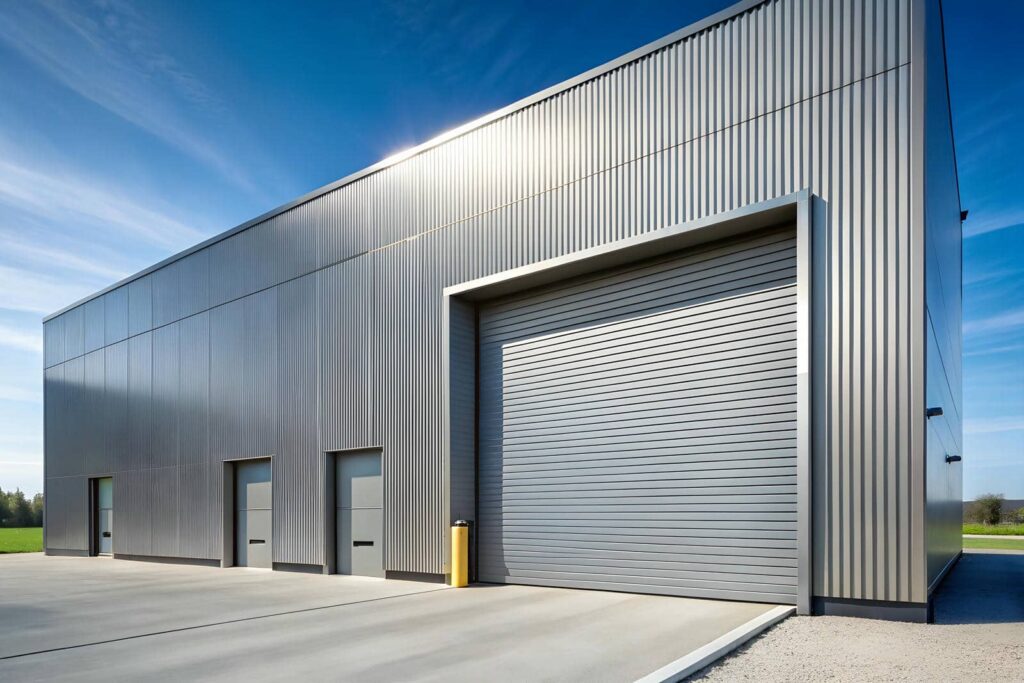
When considering the requirements for quality metal warehouses, you must focus on several key factors that impact their performance and longevity. Structural integrity, material quality, and effective insulation play vital roles in ensuring durability and efficiency. Additionally, compliance with safety regulations and cost-effectiveness are essential for a sustainable solution. As you evaluate these elements, you’ll find that each decision can greatly influence the warehouse’s overall functionality and success. What specifics should you prioritize next?
Key Takeaways
- Ensure structural integrity with high-quality steel that resists corrosion and can bear heavy loads and environmental stresses.
- Incorporate effective insulation and energy-efficient HVAC systems to maintain temperature control and reduce energy costs.
- Design for flexibility with modular layouts that allow for easy reconfiguration and space optimization.
- Comply with fire and safety regulations, including effective fire suppression systems and clear pathways for safe operations.
- Conduct thorough budget analyses considering initial costs, installation, and long-term maintenance for cost-effectiveness.
Structural Integrity and Durability
When you’re considering a metal warehouse, the structural integrity and durability of the building are non-negotiable factors. You need to evaluate the load-bearing capacity of the construction materials used in the design.
A robust warehouse must support heavy equipment, inventory, and machinery without compromising safety. Look for high-quality steel that’s resistant to corrosion and wear, ensuring long-term performance.
Additionally, consider the framing system; it should be engineered to withstand environmental stresses like wind and snow loads. Also, pay attention to joint connections and welding techniques, as these affect overall stability.
Quality of Materials Used
While structural integrity and durability lay the foundation for a strong metal warehouse, the quality of materials used is equally essential to ensuring longevity and performance.
You’ll want to prioritize materials that meet industry standards and enhance durability against environmental factors.
Consider these key aspects:
- High material strength for load-bearing capabilities
- Corrosion resistance to withstand moisture and chemicals
- Weldability for seamless construction
- Thermal efficiency to regulate temperature
- Sustainability for eco-friendly practices
Design Flexibility and Customization
Design flexibility and customization are essential elements that can greatly enhance the functionality of a metal warehouse. By opting for modular designs, you can easily reconfigure the space to meet your evolving needs. This adaptability allows you to expand or reduce your warehouse area without significant structural changes, ensuring your investment remains relevant over time.
Additionally, incorporating various aesthetic options can create an inviting atmosphere, fostering a sense of belonging among your team and clients. You can choose colors, finishes, and layouts that reflect your brand identity while maintaining a professional look.
Ultimately, embracing design flexibility and customization optimizes space utilization and reinforces a cohesive environment that aligns with your operational goals.
Insulation and Energy Efficiency
Effective insulation and energy efficiency are essential for maintaining a comfortable and cost-effective environment in metal warehouses.
You’ll want to prioritize thermal performance to ensure your warehouse stays warm in winter and cool in summer, ultimately leading to significant energy savings.
Here are key considerations:
- Choose high-quality insulation materials for peak thermal performance.
- Confirm proper sealing around doors and windows to prevent energy loss.
- Utilize energy-efficient HVAC systems tailored for your warehouse size.
- Integrate reflective roofing to minimize heat absorption.
- Regularly assess insulation integrity to maintain performance over time.
Fire and Safety Regulations
When it comes to fire and safety regulations for metal warehouses, ensuring compliance with building codes is your first priority.
You’ll also need to install effective fire suppression systems and develop a solid emergency exit plan to protect both your assets and personnel.
Each of these elements plays a critical role in creating a safe operational environment.
Building Codes Compliance
Although navigating building codes can seem intimidating, ensuring compliance with fire and safety regulations is essential for anyone planning to construct a high-quality metal warehouse.
You’ll need to pay close attention to zoning regulations and anticipate safety inspections that verify adherence to local codes.
Consider the following key elements:
- Understand local zoning regulations to determine permitted uses.
- Familiarize yourself with fire safety standards specific to your area.
- Ensure materials used meet fire-resistance ratings.
- Schedule regular safety inspections during construction to catch issues early.
- Keep detailed documentation of compliance efforts for future reference.
Fire Suppression Systems
Meeting building codes is just the starting point; implementing an appropriate fire suppression system is essential for safeguarding your metal warehouse.
You’ll want to evaluate reliable sprinkler systems that can quickly respond to potential fires, minimizing damage and protecting your assets. These systems should be strategically placed to ensure maximum coverage, allowing for rapid activation in emergencies.
In addition to sprinklers, install fire alarms that provide early warning signals, enabling swift action and evacuation if needed.
Regular maintenance and testing of both systems are critical to ensure they function properly when you need them most.
Emergency Exit Planning
Proper emergency exit planning is essential for ensuring the safety of everyone in your metal warehouse.
You need to create a well-structured plan that considers potential hazards and complies with fire and safety regulations.
Here are key elements to include:
Clear emergency signage: Ensure all exits are marked and visible.
Accessible exit routes: Maintain pathways free of obstructions.
Regular evacuation drills: Practice ensures everyone knows what to do in an emergency.
Emergency lighting: Install lighting to guide personnel during power outages.
Designated assembly points: Establish areas away from the building for accountability.
Foundation and Ground Preparation
When preparing the foundation for your metal warehouse, evaluating soil stability is vital to ensure a solid base.
You’ll also need to install an effective drainage system to prevent water accumulation, which can compromise structural integrity.
Finally, leveling and compacting the ground are essential steps to create a stable environment for your warehouse.
Soil Stability Assessment
To ensure the longevity and safety of a metal warehouse, it’s crucial to conduct a thorough soil stability assessment before laying the foundation. This process ensures that your structure can withstand various environmental conditions and effectively supports its load.
Consider these essential aspects during your assessment:
Soil composition analysis: Identify the types of soil present and their properties.
Load-bearing capacity: Verify that the soil can support the weight of the warehouse and its contents.
Moisture content: Determine how water retention may affect soil stability.
Compaction tests: Assess the density of the soil for better stability.
Erosion potential: Evaluate the risk of soil erosion in your chosen location.
Drainage System Installation
An effective drainage system is essential for a metal warehouse’s foundation and ground preparation, as it prevents water accumulation that could undermine structural integrity.
When installing your drainage system, start by selecting appropriate drainage materials, such as perforated pipes and gravel, which facilitate effective water flow.
You’ll want to assess the site’s topography to determine the best drainage solutions, ensuring water is directed away from the foundation. Proper grading is vital, as it influences how effectively your system functions.
Always consider local regulations and environmental factors when designing your drainage system. By prioritizing these elements, you’ll create a robust foundation that contributes to the longevity and stability of your metal warehouse.
Leveling and Compacting Ground
Before you lay the foundation for your metal warehouse, leveling and compacting the ground is essential to secure stability.
Proper ground preparation prevents future structural issues and enhances durability.
Utilize various soil compaction techniques to provide a solid base. Here are some leveling equipment options to evaluate:
- Laser levels for accurate grading
- Vibratory plate compactors for efficient soil compaction
- Skid steer loaders for moving large amounts of earth
- Hand-held compactors for hard-to-reach areas
- Graders for precise surface leveling
Roof Design and Drainage Systems
A well-designed roof is crucial for any metal warehouse, as it directly impacts both functionality and longevity.
Choosing the right roof materials is critical; options like metal panels or polycarbonate can enhance durability while providing insulation.
You’ll want to make sure your roof features a slope that accommodates effective drainage solutions, preventing water accumulation that can lead to structural issues.
Proper drainage systems, such as gutters and downspouts, are essential in directing water away from your building’s foundation.
Regular maintenance checks help make certain these systems remain clear and functional.
Accessibility and Space Optimization
When designing a metal warehouse, you must prioritize an efficient layout that maximizes storage while ensuring easy access to inventory.
Clear pathways and well-placed entrances enhance workflow and improve safety for employees maneuvering the space.
Efficient Layout Design
To ensure an efficient layout design in metal warehouses, it’s essential to prioritize both accessibility and space optimization.
You should consider the following strategies to enhance space utilization and workflow optimization:
Utilize vertical storage to maximize overhead space.
Implement modular shelving for flexibility in arrangement.
Designate specific zones for different materials to streamline processes.
Incorporate wide aisles to facilitate movement and reduce congestion.
Use technology for real-time inventory tracking to minimize retrieval times.
Clear Pathways and Entrances
How can you ensure smooth operations in your metal warehouse? One essential aspect is ensuring clear pathways and entrances. You need to optimize space by designing wide aisles that facilitate movement, allowing staff and equipment to navigate freely.
Pay attention to entrance dimensions; they must accommodate large deliveries and equipment without bottlenecks.
Incorporating effective navigation signage is important, guiding employees and visitors through the warehouse with ease. Clear markings help everyone understand the layout, preventing confusion and enhancing safety.
A well-organized space increases efficiency and fosters a sense of belonging among your team. By prioritizing accessibility and organization, you create an environment where everyone feels valued and empowered to perform their best work.
Cost-Effectiveness and Budget Considerations
While finding the right metal warehouse, you’ll want to prioritize cost-effectiveness alongside your budget evaluations.
Conducting a thorough budget analysis is crucial to ensure you make an informed decision. Here are some key factors to take into account for effective cost comparison:
- Initial purchase price
- Installation and setup costs
- Energy efficiency ratings
- Long-term maintenance expenses
- Potential for future expansion
Maintenance and Longevity of Metal Warehouses
When you invest in a metal warehouse, understanding its maintenance requirements and longevity is vital for maximizing your investment. Implementing preventive maintenance is imperative; it helps you identify potential issues before they escalate.
Regular routine inspections will allow you to assess the structural integrity, roofing, and insulation, ensuring everything remains in top condition. Pay attention to factors like rust, corrosion, and wear, as these can greatly affect durability.
Additionally, creating a maintenance schedule keeps you organized and proactive, fostering a sense of belonging within your operational team. By prioritizing these practices, you extend the life of your metal warehouse and enhance its functionality and safety for everyone involved.
Frequently Asked Questions
What Are the Benefits of Choosing Metal Over Traditional Building Materials?
Choosing metal over traditional materials boosts energy efficiency and lowers maintenance costs. You’ll enjoy durability, reduced long-term expenses, and sustainable options, building a strong foundation for your projects while fostering a sense of community and belonging.
How Do Metal Warehouses Perform in Extreme Weather Conditions?
Metal warehouses perform like sturdy ships in storms, offering excellent weather resistance. When combined with proper insulation materials, they effectively withstand extreme temperatures, ensuring a safe, reliable environment for your stored goods and operations.
Can Metal Warehouses Be Easily Relocated if Needed?
Yes, metal warehouses can be easily relocated thanks to their structural flexibility. Proper relocation logistics ensure minimal disruption, making it feasible for you to adapt to changing needs without significant time or financial investment.
What Are Common Misconceptions About Metal Warehouse Construction?
You might think metal warehouses are flimsy, but construction truths reveal their durability. Many metal myths persist, like high maintenance costs, yet these structures often require less upkeep than traditional buildings, fostering a sense of belonging and security.
How Does the Resale Value of Metal Warehouses Compare to Other Types?
Metal warehouses often hold strong resale value compared to other structures. Analyzing resale trends and market comparisons reveals they frequently outperform conventional buildings, making them a pragmatic investment for those seeking long-term financial security and community belonging.
Summary
Prioritizing structural integrity, quality materials, and effective insulation is essential when planning your metal warehouse. Did you know that a well-insulated warehouse can reduce energy costs ? This boosts your bottom line and enhances operational efficiency. By considering design flexibility and compliance with safety regulations, you can create a functional space that stands the test of time. Ultimately, investing wisely in these factors leads to a sustainable and cost-effective solution.