
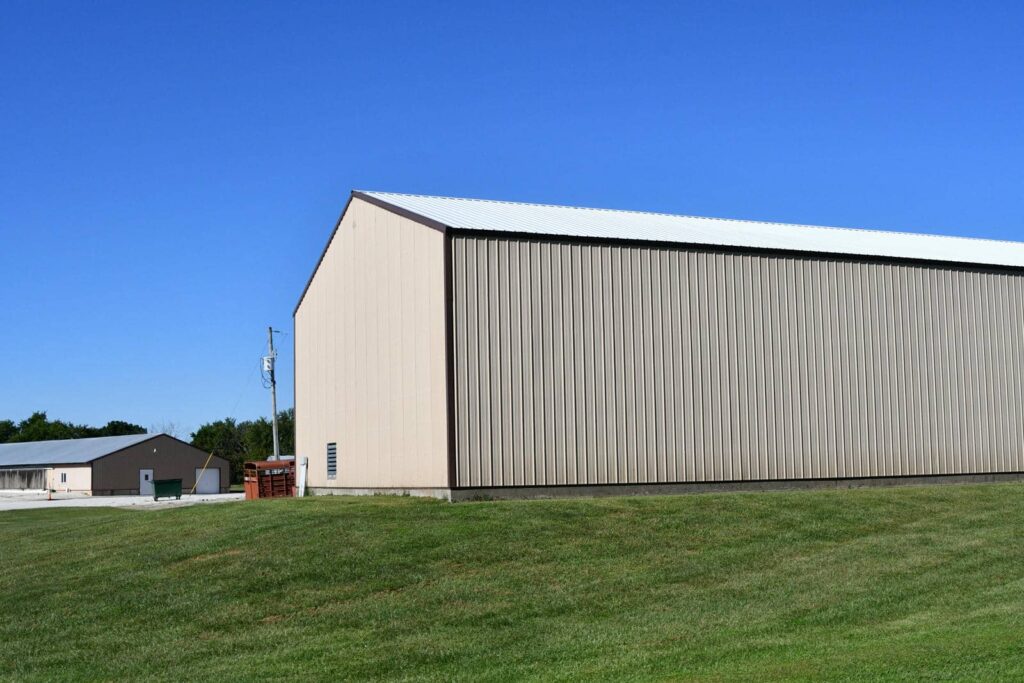
When constructing a metal warehouse, understanding the top techniques is essential for optimizing both efficiency and sustainability. You’ll want to focus on advanced fabrication methods and innovative design principles that enhance structural integrity. Additionally, incorporating energy-efficient systems can minimize operational costs. By examining these aspects, you can ensure a successful project that meets modern demands. But what specific strategies can you implement to achieve these goals effectively?
Key Takeaways
- Utilize advanced fabrication techniques such as prefabrication for improved quality control and reduced on-site labor costs.
- Implement modular construction to allow for adaptability and efficient use of space in warehouse layouts.
- Incorporate energy-efficient systems like LED lighting and solar panels to lower operational costs and enhance sustainability.
- Focus on durable materials like steel for structural integrity, corrosion resistance, and minimal maintenance requirements.
- Adopt waste reduction strategies, including recycling scrap metal and conducting lifecycle assessments to promote sustainable practices.
Selecting the Right Materials for Metal Warehouse Construction
When you commence metal warehouse construction, selecting the right materials is essential for ensuring structural integrity and longevity.
Focus on material durability to withstand environmental stresses and heavy loads, which directly impacts your warehouse’s lifespan. Steel, for instance, offers strength and resistance to corrosion, making it a popular choice.
However, you should also evaluate cost effectiveness; balancing initial expenses with long-term savings is vital. Consider materials that require minimal maintenance and energy-efficient options to reduce operational costs.
Planning and Designing Efficient Layouts
Selecting the right materials lays a foundation for effective planning and designing of your warehouse layout.
To achieve layout optimization, consider the flow of goods, accessibility, and the placement of storage systems. A well-thought-out design enhances space utilization, allowing you to maximize every square foot of your facility.
Start by mapping out key areas like receiving, storage, and shipping zones, ensuring they’re logically connected. Use vertical space for shelving and racking to free up floor space.
Implementing clear pathways for personnel and equipment reduces congestion, further improving efficiency. Regularly review and adjust your layout based on operational needs and inventory changes.
Implementing Advanced Fabrication Techniques
To enhance your metal warehouse construction, consider implementing advanced fabrication techniques such as prefabrication methods and modular design.
These approaches streamline the building process while ensuring high precision, particularly when combined with cutting-edge precision cutting technologies.
Prefabrication Methods
While traditional construction methods can be time-consuming and labor-intensive, prefabrication offers a streamlined approach to metal warehouse construction by assembling components off-site. This technique allows for greater quality control, as materials are manufactured in a controlled environment.
You’ll discover significant prefabrication advantages, including reduced on-site labor costs and shorter project timelines. By utilizing off-site construction, you minimize disruptions at the warehouse location, leading to enhanced safety and efficiency.
Furthermore, the precision achieved in the factory setting ensures that components fit together seamlessly, reducing the likelihood of costly rework. Embracing prefabrication accelerates the construction process and fosters a collaborative atmosphere among stakeholders, as everyone can visualize and engage with the project more effectively.
Modular Design Benefits
Modular design offers several key benefits that enhance the efficiency and flexibility of metal warehouse construction. By utilizing modular flexibility, you can adapt your warehouse layout to changing operational needs without considerable downtime.
This design approach streamlines the construction process, allowing components to be fabricated off-site and assembled quickly on-site, which greatly boosts design efficiency.
Furthermore, the standardized modules facilitate easier integration of advanced technologies and systems, promoting a cohesive workflow.
You’ll find that this method reduces waste and optimizes resource allocation, ensuring that every aspect of the construction aligns with your project goals.
Embracing modular design means you’re investing in a future-proof solution that supports growth and adaptability in an ever-evolving marketplace.
Precision Cutting Technologies
As you explore precision cutting technologies in metal warehouse construction, you’ll find that implementing advanced fabrication techniques can greatly enhance accuracy and efficiency.
Two prominent methods, laser cutting and waterjet cutting, stand out for their precision. Laser cutting employs focused light to slice through materials with minimal kerf, ensuring clean edges and intricate designs. This technology is perfect for applications requiring tight tolerances.
On the other hand, waterjet cutting utilizes high-pressure water streams, making it effective for thicker materials without thermal distortion. By integrating these techniques, you can streamline production processes, reduce material wastage, and improve overall quality.
Embracing these technologies elevates your construction projects and fosters a sense of belonging in a community that values innovation and excellence.
Utilizing Modular Construction Methods
Utilizing modular construction methods can greatly enhance your metal warehouse project by offering the benefits of modular design.
This approach allows for prefabricated sections that streamline the assembly process, reducing on-site construction time.
Benefits of Modular Design
When you consider the construction of a metal warehouse, embracing modular design offers considerable advantages that enhance efficiency and reduce costs.
Modular flexibility allows you to adapt the warehouse layout to meet your specific operational needs, ensuring ideal use of space. This adaptability streamlines the design process and facilitates future modifications as your business evolves.
Additionally, by utilizing pre-fabricated components, you achieve cost efficiency, markedly lowering labor and material expenses. This method minimizes waste, contributing to a more sustainable construction process.
Ultimately, adopting modular design fosters a sense of belonging within your team, as everyone can collaborate on a structure that aligns with your collective vision and goals, enhancing overall productivity and satisfaction.
Streamlined Assembly Process
By employing modular construction methods, you can greatly streamline the assembly process of a metal warehouse.
These techniques facilitate efficient prefabrication of components, allowing your team to work collaboratively in a controlled environment. This approach reduces site disruption and enhances safety and quality control.
You’ll find that integrating modular elements speeds up the project timeline, enabling faster completion. Enhanced team collaboration during the assembly phase fosters a sense of belonging among workers, as everyone contributes to a shared goal.
Additionally, clear communication channels ensure that any issues are promptly addressed, minimizing delays.
Ultimately, modular construction methods transform your metal warehouse project into a more cohesive, efficient endeavor, aligning with both quality and time objectives.
Ensuring Structural Integrity and Compliance
To ensure structural integrity and compliance in metal warehouse construction, it’s imperative to adhere to industry standards and regulations from the outset.
Conducting a thorough structural analysis is essential; it helps you identify potential weaknesses and ensures your design meets all compliance regulations. Familiarize yourself with local building codes, as these dictate material specifications and load requirements.
Engaging with certified engineers during the design phase can further bolster your project’s integrity. Document all assessments and modifications you make throughout the process, as this transparency reinforces compliance.
Regular inspections during construction also play a fundamental role in maintaining adherence to safety standards. By prioritizing these elements, you create a solid foundation for a reliable and compliant metal warehouse.
Incorporating Sustainable Practices in Metal Building Projects
Building on structural integrity and compliance, incorporating sustainable practices in metal warehouse projects enhances environmental responsibility and optimizes efficiency and cost-effectiveness.
By utilizing green materials, you can greatly reduce the environmental impact of your construction. Prioritizing energy efficiency through advanced insulation and LED lighting contributes to lower operational costs.
Implementing waste reduction strategies, such as recycling scrap metal, minimizes landfill contributions. Additionally, leveraging renewable resources, like solar panels or rainwater harvesting systems, promotes eco-friendly practices.
Conducting a lifecycle assessment ensures that you evaluate the long-term environmental impacts of your building.
Frequently Asked Questions
What Is the Average Lifespan of a Metal Warehouse?
A metal warehouse typically lasts 30 to 50 years, thanks to metal’s durability. By considering factors like maintenance and environmental conditions, you can greatly enhance warehouse longevity and ensure your investment remains secure over time.
How Do I Maintain a Metal Warehouse?
To maintain your metal warehouse, regularly inspect for rust and damage, apply protective coatings, and utilize effective cleaning techniques. Following these maintenance tips ensures longevity and operational efficiency, fostering a safe environment for all.
What Are the Costs Associated With Metal Warehouse Construction?
Metal warehouse construction typically ranges from $20 to $40 per square foot. You’ll need to consider budget constraints and explore financing options to ensure your project’s affordability while meeting your specific needs and goals.
Can I Modify a Metal Warehouse After Construction?
Yes, you can modify a metal warehouse after construction. Its design flexibility allows for future expansion, accommodating changing needs while maintaining structural integrity and efficiency, ensuring your space adapts as your business evolves.
What Permits Are Required for Metal Warehouse Construction?
Building a metal warehouse’s like laying a solid foundation; you need the right permits. Check local construction regulations and zoning requirements to ensure compliance, protecting your investment and fostering a sense of community in your project.
Wrap-Up
In the domain of metal warehouse construction, integrating advanced techniques is like assembling a finely-tuned machine; each component must work in harmony for peak performance. By selecting the right materials, planning efficient layouts, and embracing modern fabrication and modular methods, you can enhance both functionality and sustainability. Ensuring structural integrity and compliance is essential, as it safeguards your investment. Ultimately, these strategies will streamline the construction process and elevate the operational efficiency of your warehouse.