
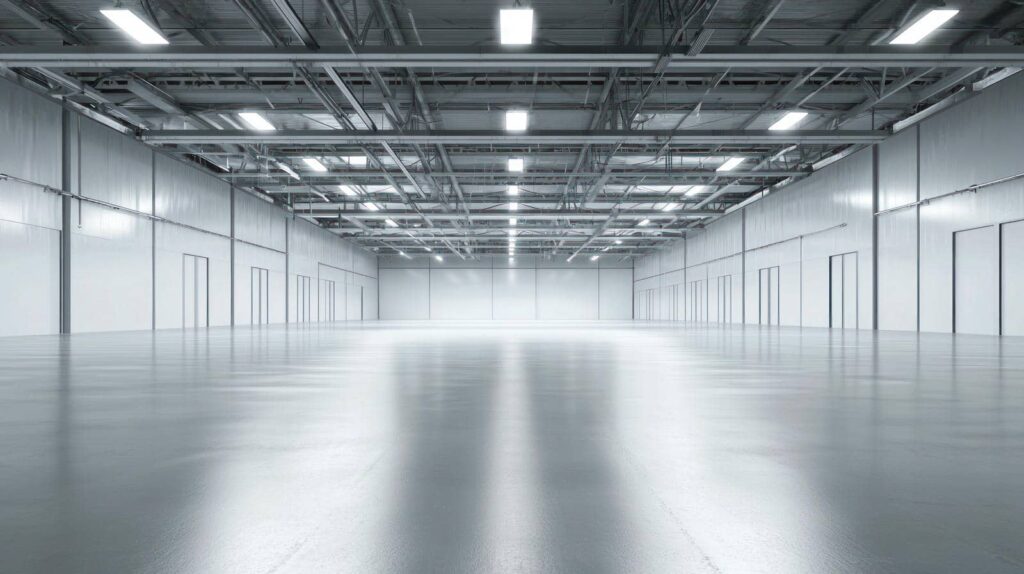
When considering storage solutions, cost-effective metal warehouses stand out for their durability and low maintenance needs. These structures provide flexible layouts that can adapt to various requirements, minimizing operational expenses. As businesses grow, scalability becomes vital, and metal warehouses offer that advantage. But what specific features set them apart from traditional storage options? Understanding these elements can considerably impact your decision-making process.
Key Takeaways
- Metal warehouses offer lower overall expenses compared to traditional storage options, leading to significant long-term savings.
- Enhanced durability and low maintenance requirements minimize upkeep costs, making them a cost-effective choice for smart storage.
- Customizable designs allow for tailored storage solutions that adapt to changing business needs without incurring major costs.
- Energy-efficient features help reduce heating and cooling expenses, contributing to overall cost savings and sustainability.
- Regular maintenance and inspections can prevent costly repairs, further enhancing the financial viability of metal warehouse investments.
Benefits of Metal Warehouses for Storage Solutions
When you consider storage solutions, metal warehouses stand out due to their durability and versatility.
These structures offer significant benefits, particularly in space optimization. With their robust design, you can utilize every inch efficiently, accommodating diverse items without compromising safety.
Metal warehouses allow for flexible layouts, enabling you to customize the interior according to your specific needs. This adaptability is essential for businesses that may experience fluctuating storage demands.
Additionally, their low maintenance requirements further enhance their appeal, ensuring you can focus on your core activities.
Overall, metal warehouses not only provide practical storage options but also foster a sense of belonging by creating organized, efficient environments where you can thrive.
Embrace the potential of metal warehouses for your storage solutions.
Comparing Metal Warehouses to Traditional Storage Options
When comparing metal warehouses to traditional storage options, you’ll find significant differences in durability and longevity.
Metal structures typically withstand harsh conditions better than wood or fabric alternatives, reducing maintenance costs over time.
Additionally, a thorough cost analysis reveals that investing in metal warehouses often results in lower overall expenses due to their extended lifespan and reduced need for repairs.
Durability and Longevity
Although traditional storage options like wood or fabric structures have their merits, metal warehouses offer superior durability and longevity, which makes them a more reliable choice for long-term storage solutions.
Their exceptional material strength ensures they withstand heavy loads, while their inherent weather resistance protects your belongings from moisture, pests, and extreme temperatures.
Unlike wood, which can warp, crack, or rot, metal structures maintain their integrity over time, allowing you to store valuable items with confidence.
You won’t need to worry about frequent repairs or replacements, making metal warehouses a sound investment.
Cost Comparison Analysis
While evaluating storage options, it’s essential to contemplate the cost implications of metal warehouses compared to traditional alternatives like wood or fabric.
A thorough cost assessment reveals that metal warehouses, though initially higher in price, offer significant long-term savings. Consider factors like maintenance and durability; metal structures require less upkeep, ultimately reducing lifetime costs.
Current pricing trends show that the price of metal is stabilizing, making it a more attractive investment. In contrast, traditional storage options often face rising material costs and frequent repairs, which can quickly add up.
Key Features of Cost-Effective Metal Warehouses
When evaluating cost-effective metal warehouses, durability and longevity stand out as critical features.
These structures withstand harsh conditions, reducing maintenance costs over time.
Additionally, their energy efficiency benefits can considerably lower operational expenses, enhancing overall cost-effectiveness.
Durability and Longevity
Cost-effective metal warehouses are designed to withstand harsh conditions, ensuring durability and longevity that traditional structures often can’t match.
When you consider design considerations, these warehouses utilize advanced engineering techniques that enhance structural integrity. Material selection plays an essential role; high-quality steel and protective coatings resist corrosion and wear, greatly extending the lifespan of your investment.
This resilience means fewer repairs and replacements over time, solidifying your choice as a wise financial decision. Additionally, these warehouses can adapt to various environmental factors, maintaining performance regardless of external pressures.
Energy Efficiency Benefits
As energy costs continue to rise, investing in metal warehouses offers significant energy efficiency benefits that can enhance your bottom line.
These structures typically feature superior insulation and reflective roofing, reducing heating and cooling demands. By optimizing your energy use, you’ll realize substantial energy savings over time, allowing you to allocate resources more effectively.
Furthermore, metal warehouses support eco-friendly practices, aligning with your commitment to sustainability.
Their durability means fewer replacements and lower waste. Plus, many modern designs incorporate energy-efficient lighting and renewable energy options, further decreasing operational costs.
Customization Options for Metal Storage Buildings
While many businesses prioritize affordability in metal storage buildings, customization options can greatly enhance functionality and efficiency.
With design flexibility and modular configurations, you can tailor your storage solutions to meet specific needs, ensuring that your investments align with your operational goals.
Consider these customization options:
- Size and layout: Adjust dimensions to optimize space and workflow.
- Doors and windows: Choose placements that improve accessibility and natural light.
- Interior features: Incorporate shelving, partitions, or climate control to enhance usability.
Understanding the Construction Process of Metal Warehouses
Understanding the construction process of metal warehouses requires a clear grasp of each stage, from initial planning to final assembly.
You’ll start by selecting appropriate construction materials that align with your budget and intended use. Next, develop a detailed project timeline, ensuring each phase, from site preparation to structural framework, is efficiently scheduled.
During assembly, focus on precision and adherence to safety regulations. Collaborate closely with contractors to streamline communication and address any challenges promptly.
Once the structure is complete, inspect the warehouse for compliance with your specifications.
Maintenance Tips for Longevity and Cost Efficiency
To ensure your metal warehouse remains functional and cost-efficient, establish a regular inspection schedule.
This proactive approach helps identify potential issues early, minimizing costly repairs.
Additionally, employing proper cleaning techniques can prevent corrosion and extend the lifespan of your structure.
Regular Inspections Schedule
Regular inspections are essential for maintaining the integrity and efficiency of metal warehouses, as they help identify potential issues before they escalate into costly repairs.
Establishing a consistent inspection frequency is vital. Use a maintenance checklist to guide your inspections, ensuring you cover all critical aspects.
- Check for signs of rust or corrosion
- Inspect structural components for wear and tear
- Evaluate insulation and ventilation systems
Proper Cleaning Techniques
While keeping your metal warehouse clean may seem like a straightforward task, employing proper cleaning techniques is crucial for extending its lifespan and maintaining cost efficiency.
Establish a regular cleaning frequency—monthly or bi-monthly—depending on your warehouse’s use and exposure to contaminants. Use appropriate cleaning tools like soft-bristle brooms, pressure washers, and non-corrosive cleaners to prevent damage to surfaces.
When cleaning, focus on high-traffic areas and potential moisture traps, as neglecting these can lead to rust and structural issues. Always dry surfaces thoroughly after cleaning to inhibit mold growth.
Factors Influencing the Cost of Metal Warehouses
Understanding the factors influencing the cost of metal warehouses is essential for making informed investment decisions.
Several key elements play an important role in determining your overall expenses:
Design considerations: The complexity and customization of the design can greatly impact costs.
Location impact: Proximity to suppliers, labor markets, and transportation can affect construction and operational expenses.
Material choices: The type of metal and additional features you select will influence durability and price.
Sustainable Practices in Metal Warehouse Construction
As you consider the cost factors associated with metal warehouses, it’s important to also focus on sustainable practices in their construction.
Utilizing green materials, like recycled steel and eco-friendly insulation, not only reduces environmental impact but can also lower long-term costs. Implementing energy-efficient designs, such as optimized lighting and climate control systems, enhances operational efficiency.
These practices contribute to lower energy bills and a reduced carbon footprint, aligning your warehouse with modern sustainability goals. By prioritizing these methods, you create a space that supports both economic benefits and environmental responsibility.
Adopting sustainable practices in metal warehouse construction fosters a sense of community well-being, helping you connect with like-minded stakeholders committed to a greener future.
Case Studies: Successful Metal Warehouse Installations
When exploring successful metal warehouse installations, you’ll find numerous examples that highlight the benefits of strategic design and efficient construction.
These success stories provide valuable insights into overcoming installation challenges while maximizing functionality.
Adaptive reuse: Transforming existing structures into metal warehouses to reduce costs and environmental impact.
Scalable designs: Implementing modular systems that allow for future expansions without significant disruptions.
Energy efficiency: Utilizing advanced insulation and solar technologies to cut operational costs.
These case studies underscore the importance of thoughtful planning and execution, showcasing how businesses can create effective storage solutions tailored to their needs.
Choosing the Right Metal Building Contractor for Your Project
How do you ensure that your metal building project is executed seamlessly? Start by evaluating contractor qualifications.
Look for experience in metal building construction, relevant certifications, and a strong portfolio. A reliable contractor will provide references from past clients, helping you gauge their reliability and expertise.
Next, discuss project timelines. A competent contractor should present a realistic schedule, outlining key milestones.
Confirm they’ve a proactive approach to managing potential delays, as this will help keep your project on track.
Lastly, maintain open communication. Establishing a good rapport with your contractor fosters collaboration and confirms everyone is aligned with project goals.
Frequently Asked Questions
What Size Metal Warehouse Is Best for My Storage Needs?
To determine the best size metal warehouse for your storage needs, assess your inventory’s volume and dimensions. Choose a warehouse with sufficient storage capacity to accommodate future growth while optimizing warehouse dimensions for efficiency.
How Quickly Can a Metal Warehouse Be Constructed?
A metal warehouse can typically be constructed in as little as a few weeks, depending on the design and assembly process. Efficient planning and coordination streamline the construction timeline, ensuring you’ll meet your storage needs promptly.
Are Metal Warehouses Resistant to Pests and Rodents?
Think of metal warehouses as fortresses against pests and rodents. Their solid construction enhances pest prevention and rodent control, ensuring your stored items remain secure and free from unwanted invaders, fostering a sense of belonging and safety.
Can I Relocate My Metal Warehouse in the Future?
Yes, you can relocate your metal warehouse. Consider warehouse flexibility and relocation considerations, like site accessibility and foundation requirements. Make certain you plan logistics carefully to maintain structural integrity and functionality during the move.
What Permits Are Required for Building a Metal Warehouse?
You’ll need to check local zoning regulations and obtain construction permits before building your metal warehouse. Compliance ensures safety, legality, and harmony with the community, so don’t overlook these essential steps in your planning process.
Review
In choosing a cost-effective metal warehouse, you’re not just investing in a structure; you’re laying the foundation for future growth. These warehouses provide a blend of durability and flexibility, adapting to your evolving storage needs. By minimizing maintenance and maximizing efficiency, you position your business for long-term success. Just like a well-oiled machine, the right metal warehouse can streamline your operations, ensuring you focus on what truly matters—driving productivity and achieving your goals.