
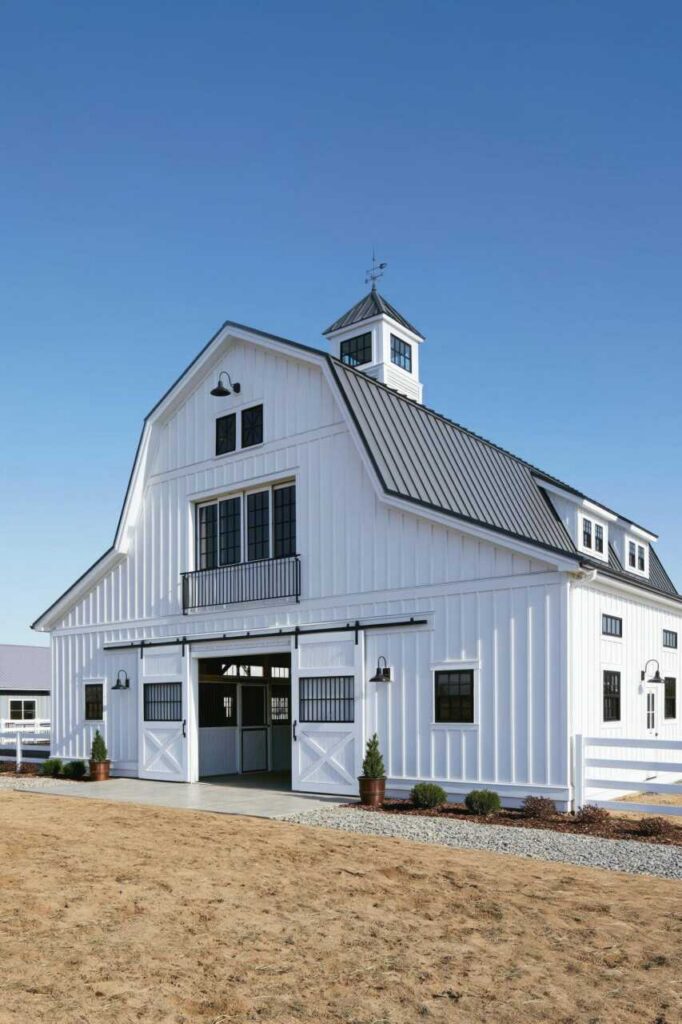
Many outdoor metal structures fail early because of poor framing or weak anchoring. You need to start with heavy-gauge steel, then verify wind and snow ratings for your site, since both affect long-term stability. Roof shape, coating quality, and site prep all change how well your barn or carport holds up over time, and the right mix isn’t always obvious until you compare the details.
Key Takeaways
- Choose heavy-gauge steel frames with corrosion-resistant coatings for better strength and rust protection.
- Verify wind and snow load ratings match your local climate and building code requirements.
- Select a roof style, such as vertical or gable, that sheds weather efficiently.
- Prepare a level, well-drained site with proper anchoring to ensure long-term stability.
- Match features like doors, height, and insulation to your storage needs and future plans.
What Makes Metal Barns and Carports Durable?
Durability in metal barns and carports starts with the structure itself: heavy-gauge steel framing, corrosion-resistant coatings, and properly engineered connections all work together to withstand wind, snow, rain, and daily wear.
You should also evaluate metal quality, because consistent composition and clean finishes resist denting, rust, and premature fatigue.
Strong construction techniques matter, too; precise fastening, aligned panels, and sealed joints limit movement and moisture intrusion.
When these elements are combined, you get a shelter that performs reliably in demanding conditions and keeps maintenance low.
You’ll also notice better long-term value, since a well-built frame holds shape, protects contents, and supports repairs without constant intervention.
Choose materials and assembly methods that meet proven standards, and you’ll build confidence in every season.
Choose the Right Steel Gauge and Frame
Steel gauge and frame design do most of the heavy lifting in a barn or carport’s structural performance. When you review options, use a steel gauge comparison to balance durability, cost, and maintenance.
Lower gauge numbers mean thicker panels, so you’ll usually get better dent resistance and longer service life. For the skeleton, inspect frame strength by checking tube dimensions, weld quality, and spacing between supports.
A stronger frame helps your structure stay rigid, keeps doors aligned, and reduces flex over time. You don’t need to overbuild, but you do want a system that matches your use.
If you’re joining a community of owners who value long-term reliability, choose components that fit your environment, your equipment, and your expectations for steady performance.
Check Wind, Snow, and Load Ratings
You should verify the barn or carport’s wind resistance rating to confirm it matches your site’s design wind speed and exposure conditions.
Check the snow load capacity next, because the structure has to support local ground snow loads without excessive deflection or failure.
When these ratings align with your climate and code requirements, you’ll reduce structural risk and extend service life.
Wind Resistance Ratings
When you compare metal barns and carports, wind resistance should be one of the first specifications you verify because it directly affects structural safety and long-term performance.
You should confirm the design wind load before you buy, since that rating tells you how well the frame handles strong gusts and lateral pressure.
Ask for stamped engineering data, anchoring details, and tested panel connections, not just marketing claims. A higher rating usually means better structural integrity, especially if you’re in an exposed site or open lot.
Make sure the listed rating matches your local code and installation conditions.
When you choose a product with verified wind resistance, you’re joining owners who value durability, safety, and confidence in every season.
Snow Load Capacity
Snow load capacity matters just as much as wind resistance because roof framing must safely carry accumulated weight from storms, drift, and freeze-thaw cycles.
You should verify the rated pounds per square foot before you buy, then match it to your site’s snow load factors.
Check local code maps and ask for regional considerations such as elevation, roof pitch, and drift-prone exposures.
If you live in a heavy-snow zone, you’ll want stronger purlins, tighter spacing, and reinforced supports.
Don’t assume a standard package fits every property; your barn or carport needs to perform where you belong, not just on paper.
Confirm the manufacturer’s engineering stamp, and compare the design load to expected ground snow and roof snow loads.
Compare Roof Styles for Weather Resistance
Gable, vertical, and regular roof styles each handle wind, rain, and snow differently, so your choice should match the local climate and expected load conditions.
If you face frequent snow, a vertical roof sheds buildup faster, reducing strain on the frame. Gable roofs offer balanced runoff and familiar design aesthetics, while regular roofs keep costs lower and work well in mild regions.
You should also compare roof materials, since panel thickness and seam layout affect how efficiently water moves off the surface.
In tight-knit owner communities, the best choice is usually the one that fits both performance and your site’s look.
Focus on the roof pitch, drainage path, and structural span, and you’ll choose a barn or carport that stands up better over time.
Review Coating Options for Rust Protection
A durable coating system is one of the most important defenses against corrosion, especially if your barn or carport will face humidity, salt air, or frequent moisture. You should compare galvanized, galvanized-plus-paint, and powder-coated finishes for their coating advantages.
Galvanized steel offers zinc sacrificial protection, so scratches resist rust better.
Powder coating creates a tough barrier, improves appearance, and cuts UV wear.
Dual coatings combine both methods, giving you stronger long-term rust resistance.
Choose a finish with documented thickness and edge coverage, then inspect seams and fasteners during routine maintenance.
Your maintenance tips should include washing off salts, touching up chips quickly, and checking drainage so water doesn’t linger.
When you select the right coating, you join owners who value durability, low upkeep, and long service life.
Pick the Best Size for Your Property
Start by measuring your available space with exact width, length, and clearance requirements so the barn or carport fits your site and local setbacks.
You should also map access points, roof overhangs, and door swing to avoid installation conflicts.
Then plan for future use, because extra square footage can support added storage, equipment, or vehicles without requiring a redesign.
Measure Available Space
Before you choose a metal barn or carport, measure the full footprint of your site and note the exact width, depth, and clearance needed for doors, vehicle access, and roof overhangs. Use a tape measure, then verify space dimensions against fences, trees, slopes, and utility lines.
Accurate layout considerations help you avoid tight corners and wasted ground.
- Mark the perimeter with stakes or chalk to confirm the usable area.
- Check door swing, turning radius, and driveway alignment before you commit.
- Leave code-required setbacks and maintenance access on every side.
When you plan this carefully, you join a group of owners who build with confidence and fit. Precise measurements make your site work better, and they keep your structure practical, safe, and ready for daily use.
Plan Future Use
Think ahead to how you’ll use the barn or carport over time, not just how you’ll use it today. You should size it for current vehicles, equipment, and storage, then add clearance for future projects like trailers, lawn gear, or workshop space. This gives you usage flexibility without forcing a costly expansion later.
Check door widths, wall height, and interior span so you can move in and out safely and keep the layout efficient. If your family may add another vehicle or join a shared property setup, choose a larger footprint now.
A well-sized structure fits your property, supports your goals, and helps you feel confident you’ve made the right long-term choice.
Decide on Doors, Walls, and Enclosures
How will you use your barn or carport day to day?
Choose door types that match your access pattern, and make sure they fit your vehicles, equipment, or livestock. You’ll feel more at home when the layout supports smooth movement and secure storage.
Select enclosure options based on exposure, privacy, and airflow; partial walls often balance protection with ventilation.
Use roll-up doors for frequent machine access and tight clearances.
Choose sliding doors when you need wide openings with simple hardware.
Add closed wall panels or wainscoting if you want extra weather shielding and a cleaner interior finish.
Match openings and wall coverage to your routine, and you’ll get a durable structure that works with you, not against you.
Plan Anchoring and Site Prep
Once you’ve settled the barn or carport layout, prepare the site to support a stable, long-lasting install. Start with site selection on level ground, clear of drainage paths, tree roots, and overhead hazards.
Perform a soil assessment to confirm bearing capacity and identify expansive or soft soils that may need compaction or engineered fill. Mark the footprint, verify setbacks, and check access for equipment and delivery.
Then grade the pad so water sheds away from the structure, not toward it. Use a compacted gravel base or concrete slab as specified by the anchor system.
Set anchor points accurately, keeping spacing square and consistent. When you prep this carefully, you join the owners who get dependable performance and fewer future repairs.
Match Features to Your Use Case
A well-matched barn or carport starts with the way you plan to use it. If you store tractors, vehicles, or livestock gear, choose design features that support access, clearance, and ventilation. You’ll fit in better with owners who spec for function first.
Select roof style and height to match snow load, equipment size, and airflow needs.
Compare material types for corrosion resistance, impact strength, and maintenance demands.
Add doors, windows, and insulation only when they solve a real workflow problem.
You should also think about future expansion, since a flexible layout keeps you ready for changing needs.
When you align features with use case, you get a durable structure that works hard, looks intentional, and feels like it belongs on your property.
Frequently Asked Questions
How Long Does Installation Usually Take?
Installation usually takes you 1–3 days, depending on size, site prep, and weather. You’ll get better time estimates by reviewing installation factors like anchoring, access, and crew size before scheduling.
Are Permits Required for My Barn or Carport?
Yes, you’ll likely need permits, like a key granting access to compliance. You should check zoning regulations and building codes before building your barn or carport; requirements vary by location, size, and use, so you’ll avoid costly delays.
Can I Customize Colors and Trim Options?
Yes, you can customize color options and trim styles to match your property. You’ll choose finishes that suit your layout, then coordinate accents for a cohesive look, meeting practical needs while fitting your preferred community aesthetic.
What Maintenance Is Needed Each Year?
You’ll need annual inspections. Check fasteners, seams, panels, and sealants; clean debris; clear gutters; and touch up scratches. Studies show proactive maintenance can extend service life, and your preventive measures keep your structure dependable.
Do Warranties Cover Rust and Structural Damage?
You’ll usually get rust coverage only if you maintain rust prevention and document care; structural integrity warranties often cover design or material defects, not abuse. Read exclusions closely, and verify claim timelines with your installer.
Wrap-Up
In the end, you’ll get the most durable metal barn or carport when you match heavy-gauge steel, verified load ratings, and corrosion-resistant coatings to your site conditions. Choose a roof style that sheds weather well, then anchor it on a stable, prepared foundation. Size it for your current needs, but leave room for future expansion. If you plan carefully now, you won’t have to fix a flimsy, time-worn mistake later, like a blacksmith’s anvil in a glass age.